
What We Need to Know About Our Heart
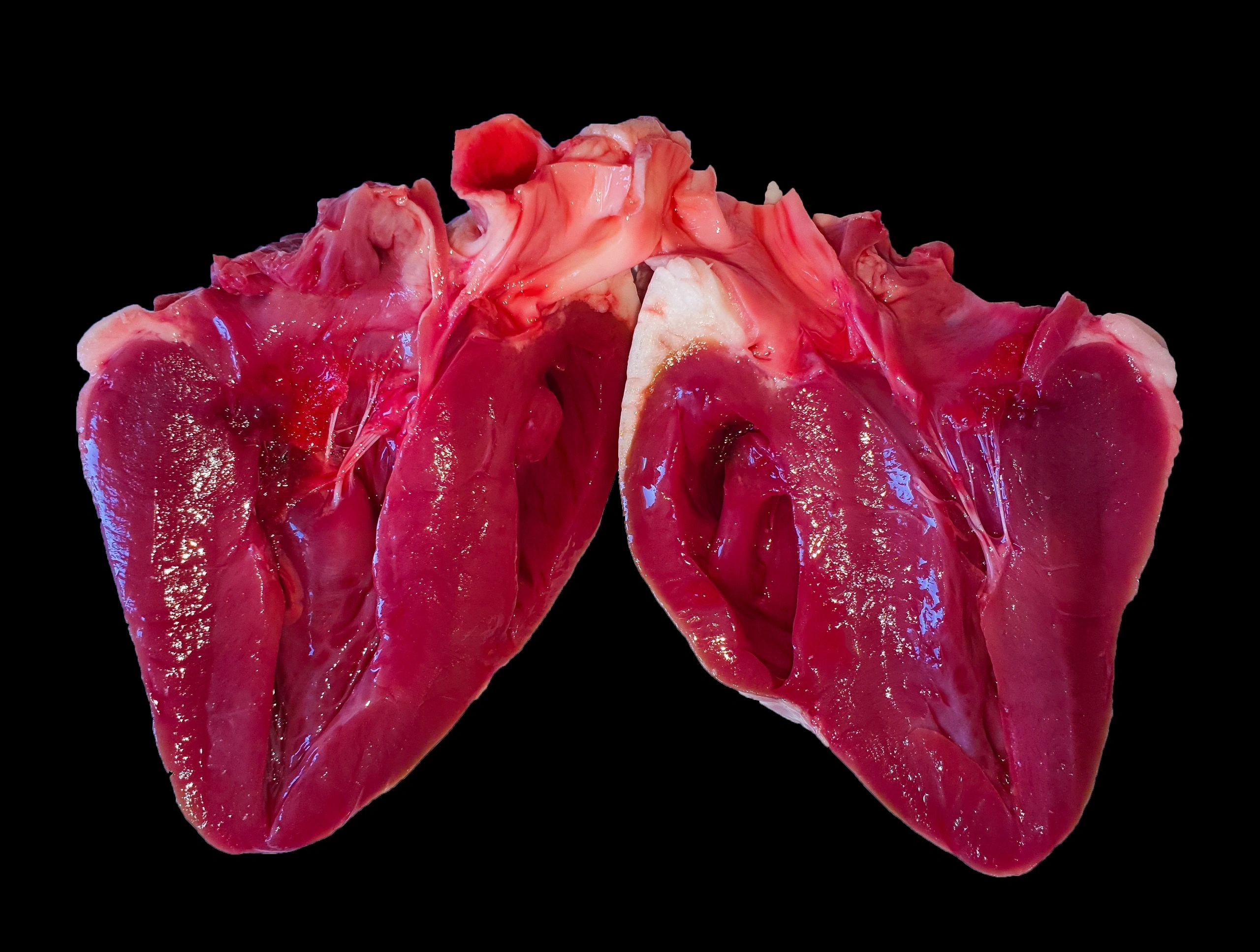
The heart is an organ made up of four chambers that works as a pump by contracting and relaxing 60–80 times per minute. In this way, it circulates blood throughout the body. In one day (24 hours), it beats an average of 100,000 times and circulates about 9 tons of blood through the body. For this reason, it needs a sufficient supply of oxygen and nutrients to work properly.
There are two chambers on each side of the heart. The upper chambers are called atria, and the lower chambers are called ventricles. The right side of the heart receives oxygen-poor blood (already used by the organs) that comes from the body through the veins and pumps this blood to the lungs through the right ventricle. Blood enriched with oxygen in the lungs comes to the left side of the heart. The left side receives this oxygen-rich blood and pumps it to the whole body through the arteries. This distribution takes place through the aorta, the largest artery.
The valves located between the atria and the ventricles are called atrioventricular valves. The mitral valve is on the left side and the tricuspid valve is on the right side. These valves work in one direction and prevent blood from flowing backward. There is also the pulmonary valve, which controls blood leaving the right ventricle, and the aortic valve, which controls blood leaving the left ventricle. These valves open when the pressure in the ventricles reaches a certain level, allowing blood to flow to the lungs (from the right ventricle) or to the body (from the left ventricle).
The vessels that supply the heart itself are the first branches coming off the aorta and are called the coronary arteries.
What Are Heart Diseases?
Atherosclerotic Heart Diseases
Cardiovascular diseases of this type are the most common group of heart and vascular diseases.
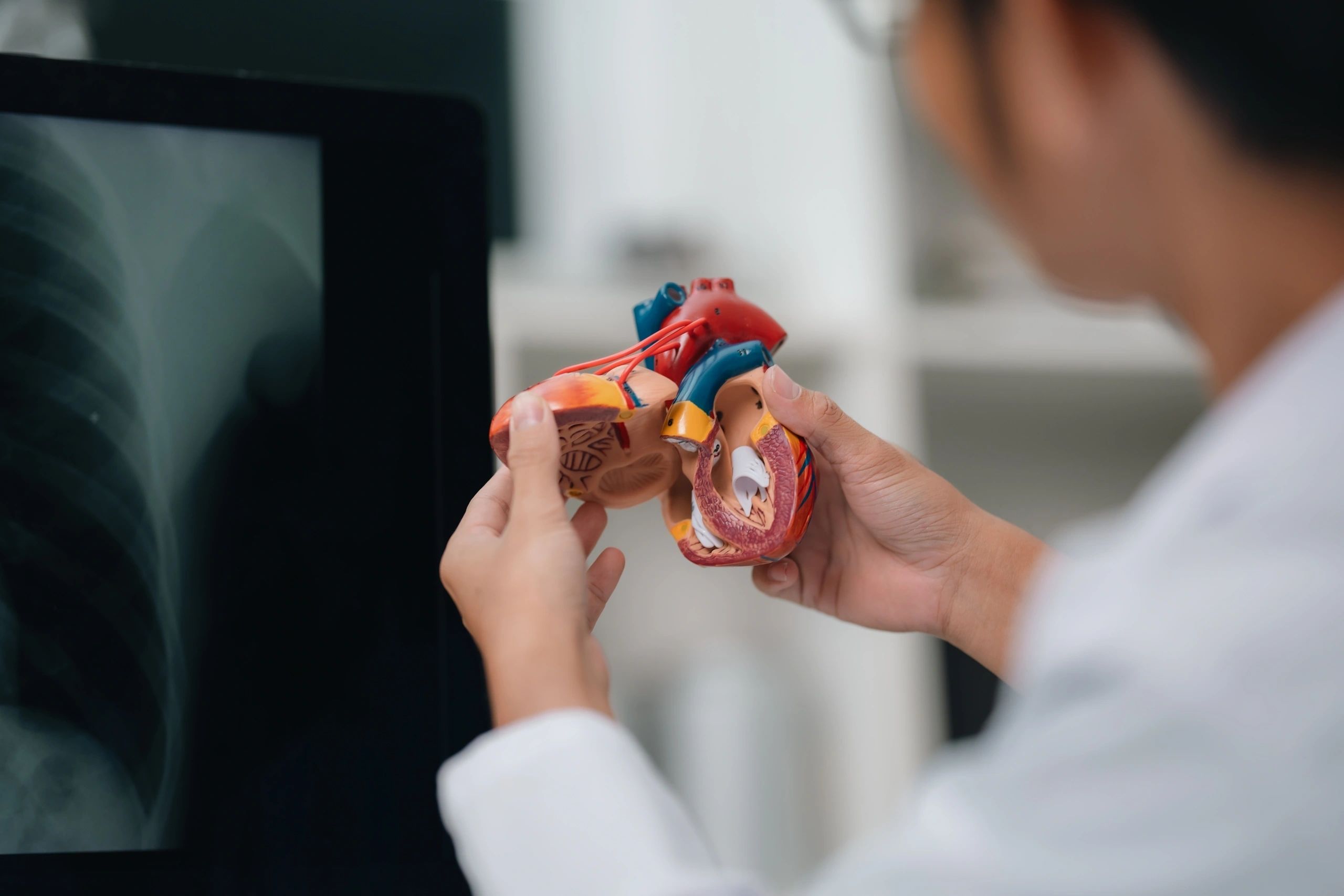
Heart Valve Diseases
They occur when the heart valves do not work properly.
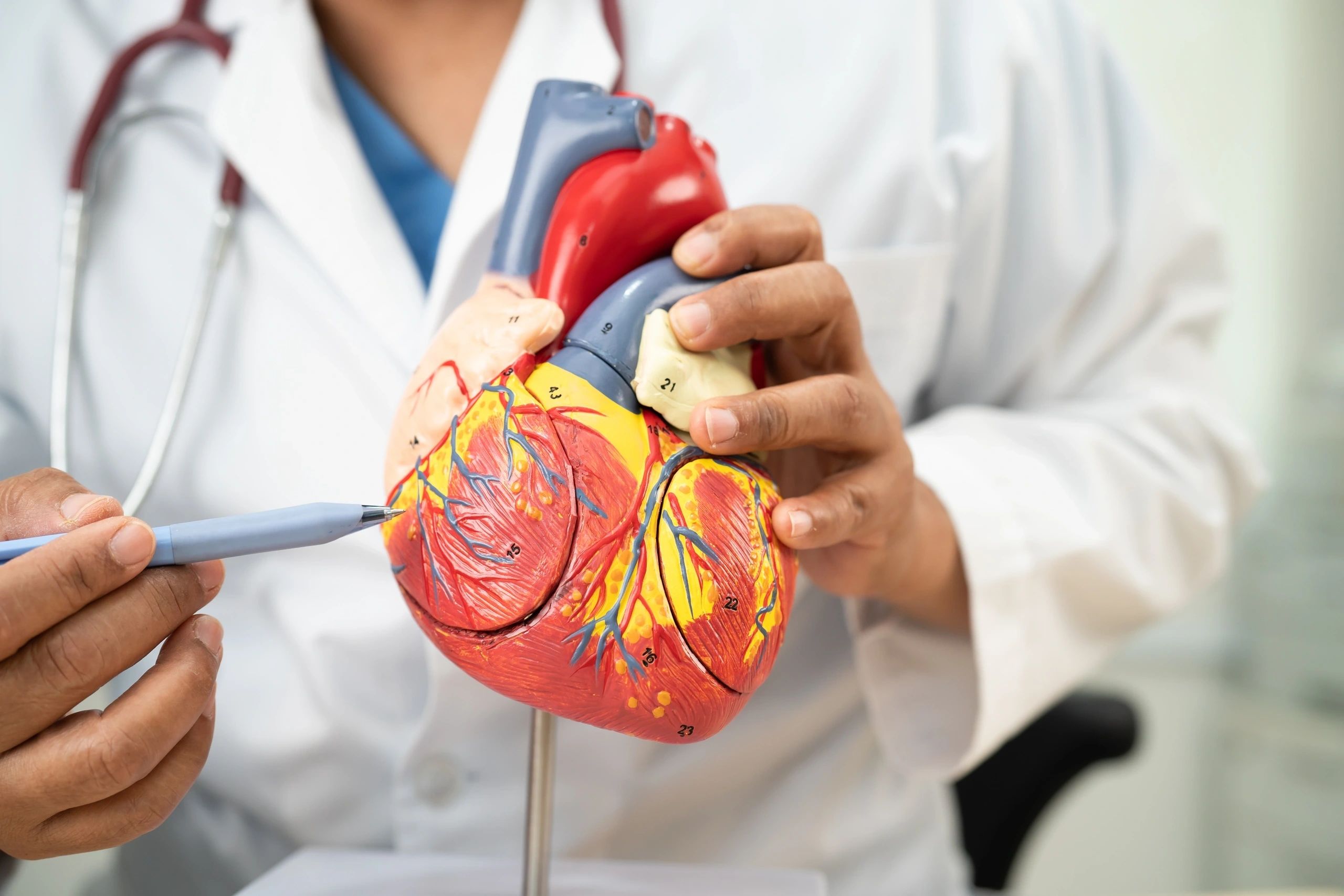
Heart Muscle Diseases
These are diseases that impair the structure or function of the heart muscle.
Congenital Heart Diseases
These are structural problems present from birth.
Infectious Diseases of the Heart
They develop due to infections of the heart tissue.

Heart Failure
This is a condition in which the heart cannot pump effectively enough, and it usually develops as a result of other heart diseases.
Diseases Related to Rhythm Disorders
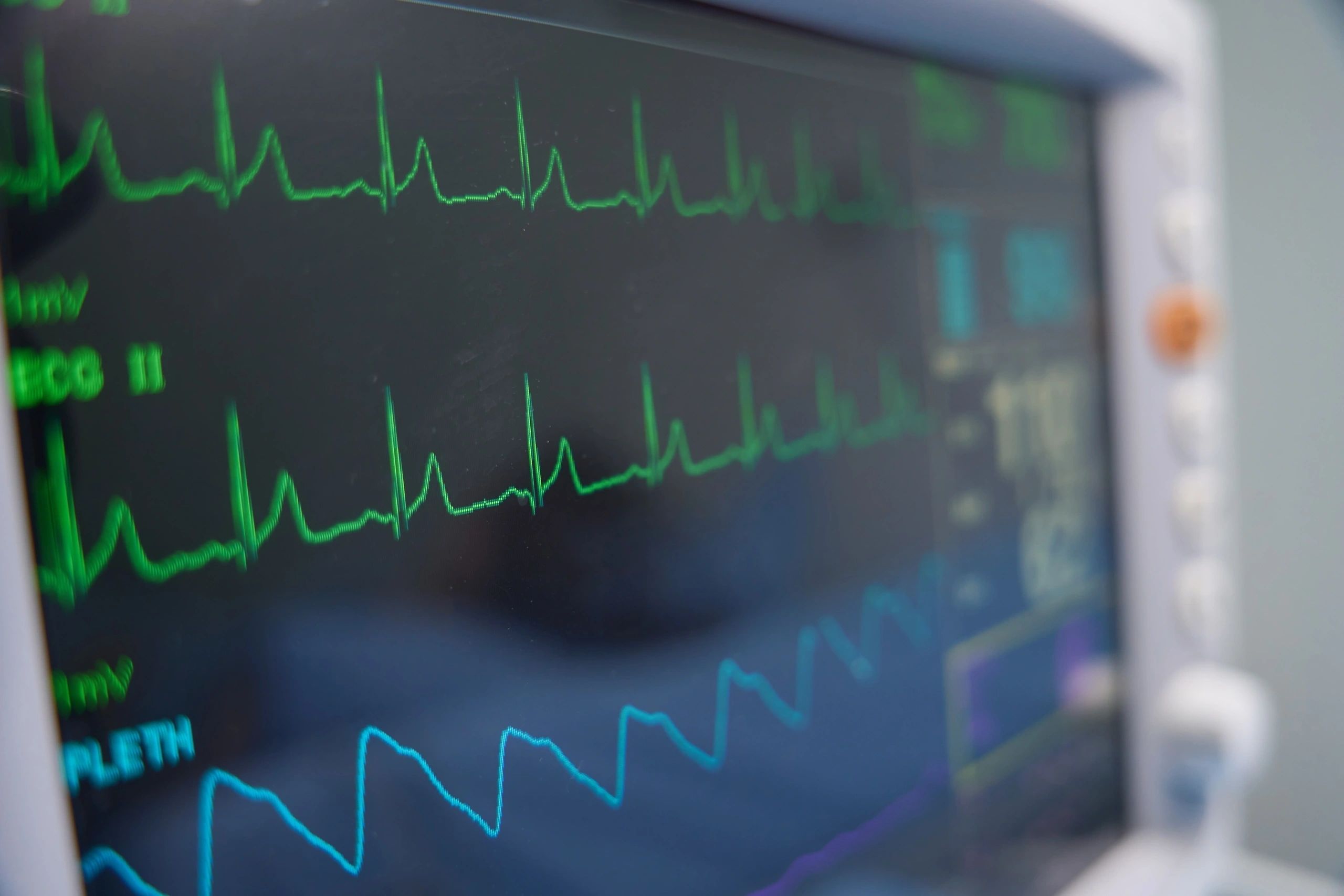
They may be congenital or may develop due to other heart diseases.
What Are Vascular Diseases?
Hypertension (HT)
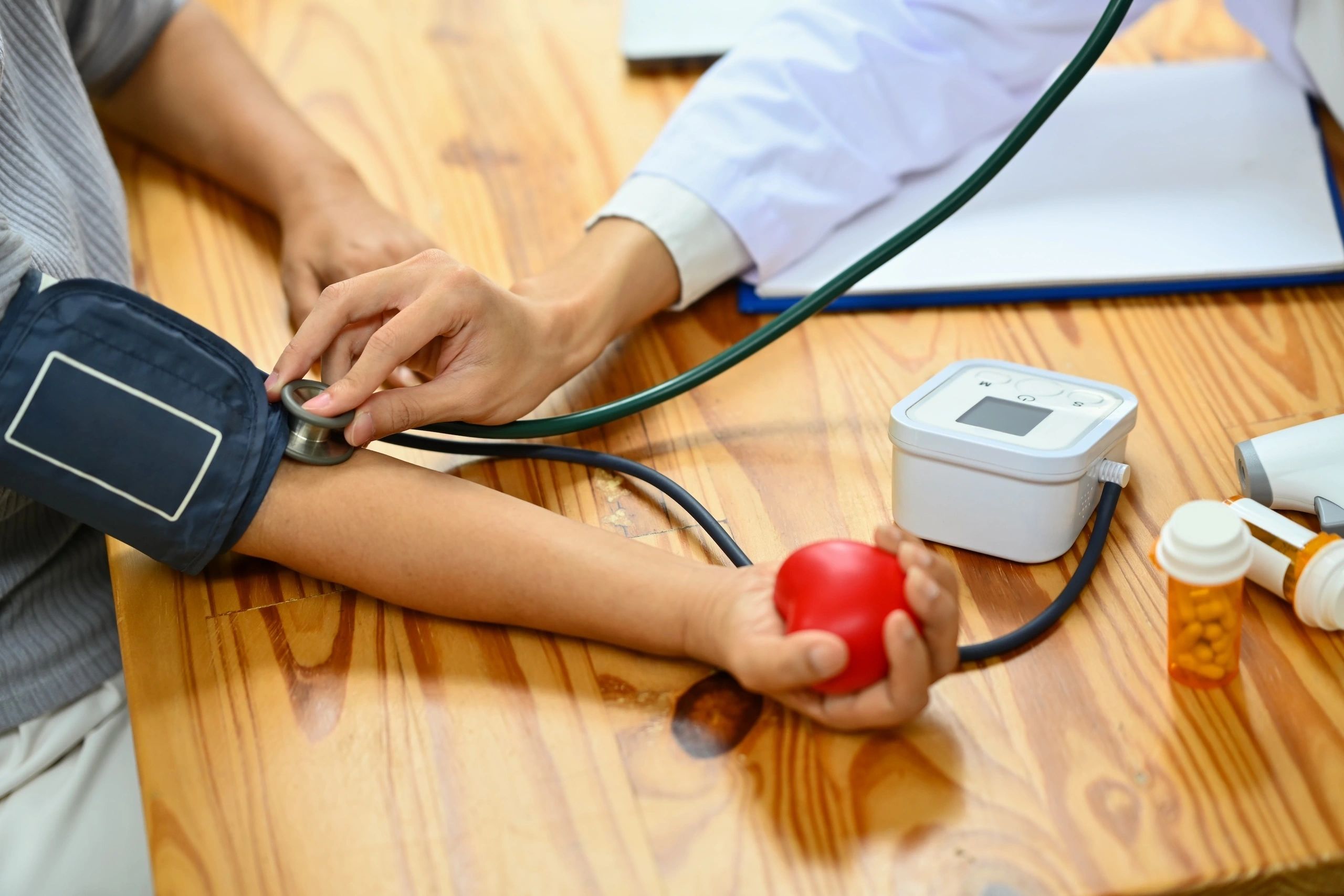
Hypertension (high blood pressure, elevated blood pressure) is a condition in which the pressure that blood chronically exerts on the walls of the blood vessels stays above levels considered normal.