
Atherosclerotic Cardiovascular Disease
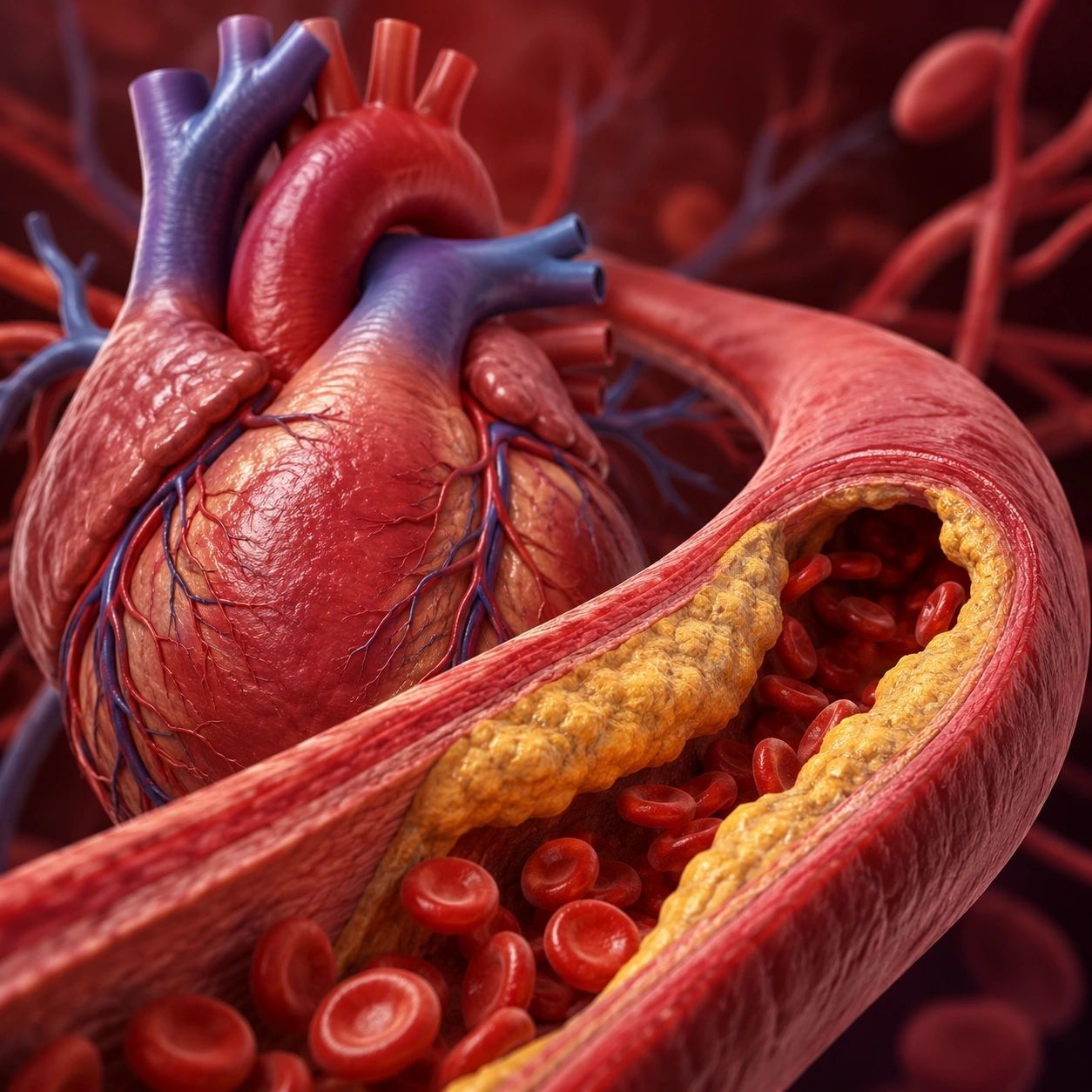
Cardiovascular disease (CVD) is the most common cause of death in Türkiye, led by atherosclerotic diseases (hardening of the arteries), particularly coronary heart disease. Heart and blood vessel diseases, or in more medical terms cardiovascular diseases (CVD), most often appear as coronary heart disease, stroke (paralysis), and peripheral artery disease (disease of the leg arteries). In other words, when the arteries of the heart, brain, and legs become narrowed or blocked by atherosclerotic plaques, the tissues they supply cannot be adequately nourished, and as a result serious conditions such as heart attack, stroke, leg pain and, in advanced stages, limb loss can develop. Risk factors include smoking, high cholesterol, obesity, hypertension, and diabetes, as well as stress and a sedentary lifestyle.
To summarize heart and blood vessel diseases, known medically as cardiovascular diseases (CVD):
- Coronary heart disease / heart attack: Affects the coronary arteries that carry blood to the heart.
- Cerebrovascular disease / stroke: Affects the blood vessels that carry blood to the brain.
- Peripheral artery disease: Affects the blood vessels that carry blood to the legs.
Definition
Atherosclerosis is a disease influenced by a wide variety of environmental and genetic factors, such as lifestyle, diet, and genetic predisposition. It develops in particular when high levels of “bad” LDL cholesterol remain in the circulation for a long time and the arteries are exposed to these high levels over a long period. Cholesterol builds up in the artery wall, causing inflammation and plaque formation. Over time, these plaques can narrow the arteries. As the arteries narrow, blood flow decreases.
If the leg arteries are affected, intermittent leg pain may occur while walking. When the arteries carrying blood to the heart narrow, chest pain, tightness, or a feeling of discomfort may occur; this condition is called angina. If the arteries supplying the heart become severely narrowed or completely blocked, a heart attack (myocardial infarction) may occur.
CVD can be prevented or treated through healthy lifestyle choices, medications, and/or surgical procedures.
Prevalence
CVD is the most common cause of death in Europe, causing more than four million deaths each year. This number corresponds to approximately 45% of all deaths. Cardiovascular diseases account for 49% of deaths among women and 40% of deaths among men. Coronary heart disease (mostly heart attack) and cerebrovascular diseases (mostly stroke) are the most common causes of cardiovascular death. Coronary heart disease causes approximately 1.8 million deaths each year, which corresponds to about one fifth of all deaths.
There are significant differences in prevalence across Europe. Over the last 10 years, the rate of CVD has fallen rapidly in almost all of Western Europe, with decreases of 30–50% seen in some countries. Today, the burden of CVD is greater in Eastern European countries, where death and disease rates are higher. The previously marked north–south difference has diminished.
The decline in CVD is seen in both men and women. Most of this has been achieved by reducing risk factors and improving prevention methods in healthy individuals and in people with heart and blood vessel disease.
However, not all risk factors show a favorable trend. While smoking rates and cholesterol levels are falling, the prevalence of obesity and diabetes is rising. This may slow or halt the downward trend in CVD. In addition, psychosocial stress factors such as depression, anxiety, and burnout are now recognized as important factors in the onset and course of CVD, and no significant improvement has been observed in these areas.
CVD is a largely preventable disease. At least 80% of cardiovascular diseases can be prevented by eliminating unhealthy lifestyle habits.
For this reason, the most important approach in combating CVD is prevention, that is, preventing the first event and recurrent events. One in every five patients who have a heart attack has a second heart attack within the first year. By working together, healthcare professionals and patients can prevent both first and recurrent events. For example, many heart attack patients have previously undiagnosed diabetes. Recognizing this condition early and treating it appropriately can help reduce the rate of heart attacks.