Heart Health Information Center
Frequently Asked Questions
If you could not find the answer to your question, please contact us by writing to info@kalphastaliklari.com.
How does rapid weight gain and loss affect the heart?
“I lost weight, then gained it back… Lost it again, gained it again.” Can this cycle affect your heart?
Losing weight can provide important benefits for heart health, especially in people who are overweight or have obesity. Lower blood pressure, improved blood sugar and cholesterol, and a reduced workload on the heart are some of these benefits.
However, for some people, the weight loss process turns into a cycle:
Rapid weight loss → regaining weight → rapid weight loss again → regaining weight again…
Commonly called “yo-yo dieting,” and referred to in the medical literature as “weight cycling” or “body-weight variability,” this condition may matter not only aesthetically but also for long-term cardiovascular health.
Can lifestyle changes alter our genetic inheritance?
“My father had a heart attack; is my fate the same?”
“My cholesterol runs in the family; will it never change no matter what I do?”
“If heart disease is genetic, what is the point of living healthily?”
The answer to these questions is very important:
We cannot change our genes; however, we can significantly reduce the cardiovascular disease risk created by our genes.In other words, genetic inheritance is not destiny.
Which exercises can heart patients with knee problems do, and how?
This question comes up very often, especially among older people who have both cardiovascular disease and knee problems. In fact, most of the time the answer is “No, do not stop exercising.” This is because, in people with heart disease, regular physical activity is an important part of treatment for protecting cardiovascular health, increasing exercise capacity, controlling blood pressure and weight, and improving quality of life. Current European and American guidelines also recommend regular aerobic and resistance exercise in suitable patients.
However, if there is a knee problem, it is not the exercise itself but the way of exercising that needs to change.
What is a stroke? How is it related to the heart? What are its symptoms and how can it be prevented?
A heart attack is a well-known condition that requires emergency treatment. However, another health problem that is at least as important as a heart attack is stroke, commonly known as paralysis.
A stroke occurs when the blood flow to part of the brain is disrupted or when one of the blood vessels in the brain ruptures and bleeds. It can cause serious consequences such as loss of speech, paralysis of an arm or leg, vision problems, and permanent disability.
What is pulmonary hypertension? What are its symptoms and causes? How is it diagnosed and treated?
When we talk about high blood pressure, we usually think of the blood pressure measured on the arm. However, blood pressure can rise not only in the body's general circulation but also in the blood vessels of the lungs. This condition is called pulmonary hypertension, that is, high pressure in the lung blood vessels.
Pulmonary hypertension is not so much a disease on its own as a clinical condition that can arise as a result of various heart, lung, and blood vessel diseases. When the pressure in the lung blood vessels rises, the right side of the heart has to work harder to pump blood to the lungs. Over time, this can lead to enlargement of the right side of the heart, heart failure, and serious health problems.
Do I have to take cholesterol medication (statins)? What are the side effects?
High cholesterol, especially a high level of LDL cholesterol (bad cholesterol), is one of the most important risk factors for heart and vascular diseases. High LDL cholesterol plays an important role in the development of many serious conditions such as heart attack, stroke (paralysis), leg artery disease, and sudden cardiac death.
For this reason, your doctor may have started you on a statin (a cholesterol-lowering medication).
However, many people have the following questions in mind:
"Do I really have to take medication just because my cholesterol is a little high?"
"Will statins harm my liver or muscles?"
"Will I have to take this medication for the rest of my life?"
Scientific research shows that in suitable patients, statin therapy not only lowers cholesterol but also significantly reduces the risk of heart attack, stroke, stent blockage, and death from cardiovascular disease.
Is starting blood pressure medication a lifelong commitment? Does long-term use harm the kidneys?
High blood pressure (hypertension) is one of the most common chronic diseases in the world and in our country. Because it often progresses without symptoms, it is also called the "silent killer." If left untreated, it can lead to serious health problems such as heart attack, stroke (paralysis), heart failure, kidney failure, and vision loss.
One of the first questions on the minds of many people diagnosed with hypertension is:
"Once I start blood pressure medication, will I have to take it for the rest of my life?"
Another frequently asked question is:
"Will these medications harm my kidneys if I take them for years?"
The answers to these questions depend on the cause of the hypertension, the person's risk factors, and their lifestyle. However, the most important thing to know is that the purpose of blood pressure medications is not only to lower blood pressure, but to protect the heart, brain, kidneys, and blood vessels in the long term.
Is it more effective to take blood pressure medication in the morning or in the evening?
High blood pressure (hypertension) is one of the most common chronic diseases in the world and in our country. The medications used to treat hypertension are very effective in preventing serious health problems such as stroke (paralysis), heart attack, heart failure, and kidney disease.
However, many people wonder:
"Should I take my blood pressure medication in the morning or in the evening?"
For many years, different views were put forward on this subject. While some studies suggested that taking medication at night might be more beneficial, later large and reliable clinical studies showed that taking medications in the morning or in the evening does not make a significant difference in important outcomes such as heart attack, stroke, and death.
Today, the shared view of experts is that the best time is the time when the medication can be taken regularly every day without forgetting it.
Do blood thinners harm the stomach? Do I have to take them for life?
One of the most commonly used groups of medications in the treatment of heart and vascular diseases are those popularly known as "blood thinners." These medications can be lifesaving in conditions such as heart attack, stroke (paralysis), stent blockage, heart valve disease, and certain rhythm disorders.
However, many people who take these medications have the following questions in mind:
"Will a blood thinner harm my stomach?"
"Will I have to take this medication for the rest of my life?"
The answers to these questions depend on the type of medication used and the reason it was prescribed.
First of all, the most important thing to know is this:
Blood thinners should never be stopped without a doctor's advice. This is because stopping these medications early can lead to serious consequences such as a heart attack, stroke, or sudden blockage of a stent.
How common are sudden deaths in young adults and athletes, and what causes them?
Sudden cardiac (heart-related) deaths in young adults and athletes, although rare, are tragic events that cause great sorrow and concern in society. Although the media usually label them as "heart attacks," the underlying causes in people under 35 are usually very different from heart attacks in older age.
Can a person with heart disease exercise?
While people with heart disease were advised in the past to rest for long periods, scientific research today shows that this is not always right. On the contrary, regular exercise as recommended by a doctor is an important part of treatment for many heart patients.
Is bypass surgery or a stent more suitable for me?
Coronary artery disease (narrowing or blockage of the vessels that supply the heart) is one of the most common heart diseases in the world. As this disease progresses, it can lead to serious problems such as chest pain (angina), shortness of breath, heart attack, and heart failure.
When significant narrowing is found in the vessels, one of the questions patients ask most often is:
"Is a stent or bypass surgery more suitable for me?"
There is no single right answer to this question. This is because the choice of treatment is tailored to the individual based on many factors, such as the patient's age, the number of affected vessels, the structure of the vessels, the presence of diabetes, the pumping strength of the heart, accompanying diseases, and the patient's expectations.
What is the chance of the artery becoming blocked again after a stent is placed?
Yes, narrowing or blockage can develop again over time in an artery in which a stent has been placed; however, thanks to the new-generation drug-eluting stents used today, this risk has decreased significantly compared with the past.
While the risk of renarrowing with the bare-metal stents used in the past was approximately 20–35%, with the drug-eluting stents widely used today, this rate is approximately 5–10% in most patients. However, the risk is not the same for every patient and may vary depending on the person's health condition.
What is the difference between virtual angiography (CT) and conventional angiography performed through the wrist or groin?
When it comes to having their heart health checked, the biggest source of concern for many people is the catheters placed in the body, the interventional procedures performed through the groin or wrist, and hours-long hospital stays. This fear of the "needle and operating table" created by conventional angiography can lead many patients to postpone the diagnostic process and cause life-threatening risks to be missed. However, modern medical technology offers a fast, comfortable, and fully technological answer to these concerns with Coronary CT Angiography, also known as "Virtual Angiography." Rather than being alternatives to each other, these two methods are generally not substitutes for one another but different, complementary approaches.
Is my sex life at risk because of my heart disease?
One of the topics that many people diagnosed with heart disease think about but are often hesitant to ask about is their sex life. Questions such as "Will sexual intercourse harm my heart?", "Will I have a heart attack?", and "When can I return to sexual activity after a stent or bypass?" are very common.
The good news is that the vast majority of heart patients can safely continue their sex lives after appropriate treatment and with their doctor's follow-up.
Scientific studies show that, for most people, sexual activity requires energy at the level of moderate-intensity physical activity. For this reason, many people who can easily perform daily activities such as climbing stairs or brisk walking are generally also in a low-risk group with regard to sexual intercourse, unless their doctor advises otherwise.
Does coffee and caffeine consumption disturb heart rhythm? Is it harmful for heart patients to drink coffee?
Coffee is one of the most consumed beverages in the world. In Türkiye, too, its different types, such as Turkish coffee, filter coffee, espresso, and instant coffee, are an important part of daily life.
However, the following questions are very common, especially among heart patients:
"Does coffee cause palpitations?"
"Does it cause heart rhythm disorders?"
"If I have heart disease, should I stop drinking coffee completely?"
In the past, coffee was thought to disturb heart rhythm and to be harmful for heart patients. However, many scientific studies conducted in recent years show that moderate coffee consumption is safe for most healthy individuals and many heart patients, and may even be beneficial for cardiovascular health in some cases.
Nevertheless, each person responds to caffeine differently. In some people, coffee may increase the feeling of palpitations or trigger symptoms of an existing rhythm disorder.
Will taking a magnesium supplement have any effect on my blood pressure?
Magnesium is one of the minerals that is vital for our body. It plays important roles in muscle function, the nervous system, heart rhythm, bone health, and the regulation of blood pressure.
In recent years, magnesium supplements have been promoted, especially on social media and the internet, as a "natural blood pressure medicine" or a "miracle mineral that lowers blood pressure." But is this true?
Scientific research shows that magnesium supplements may lower blood pressure slightly in some people, but they cannot replace the treatment of high blood pressure on their own.
Do omega-3 or fish oil supplements lower blood pressure? Do they protect the heart?
Yes, omega-3 supplements lower blood pressure, but the effect is usually mild. It should be known that omega-3 does not replace blood pressure medications. It may be considered in addition to the treatment recommended by your doctor.
Research has not conclusively shown that the standard fish oil supplements sold in stores significantly reduce the risk of heart attack or stroke. In contrast, only a prescription omega-3 medication containing high-dose pure EPA has reduced heart attacks, strokes, and cardiovascular deaths in patients with cardiovascular disease or at high risk of it.
Can herbal products such as garlic or hawthorn replace blood pressure medication?
High blood pressure (hypertension) is one of the most common chronic diseases in the world and is among the most important causes of heart attack, stroke (paralysis), heart failure, kidney disease, and premature death.
In recent years, especially on social media and the internet, there have been many posts claiming that garlic, hawthorn, hibiscus, olive leaf, black seed, turmeric, and similar herbal products lower blood pressure and eliminate the need for medication.
So, are these claims true?
Scientific research shows that some herbal products may lower blood pressure slightly, but none of them replace the medications used to treat hypertension. International cardiology and hypertension guidelines also do not recommend using herbal products in place of blood pressure medication.
How long after quitting smoking does my heart risk begin to decrease?
Smoking is one of the most important causes of preventable heart and vascular diseases. It is directly linked to many serious conditions such as heart attack, stroke (paralysis), leg artery disease, sudden cardiac death, and aortic aneurysm. Moreover, not only active smoking but also exposure to cigarette smoke (passive smoking) is harmful to heart health.
After smoking for years, many people ask this question:
"Isn't it too late now?"
The answer is very clear:
No. It is never too late to quit smoking. From the moment you quit, your body begins to repair itself and your risk of cardiovascular disease steadily decreases.
What is the most common rhythm disorder? What causes it? How is it treated?
The most common and clinically important heart rhythm disorder is atrial fibrillation (AF). Its frequency increases markedly with age. However, AF is not a disease seen only in older age; many factors such as high blood pressure, obesity, diabetes, heart disease, sleep apnea, and excessive alcohol consumption can also set the stage for it to appear at younger ages.
Are heart and vascular diseases different in women than in men?
For many years, heart and vascular diseases were perceived mostly as a “men's disease.” Yet they are also one of the leading causes of death in women. Moreover, in women, the onset of the disease, its symptoms, risk factors, and some treatment approaches may differ from those in men.
Can a crease in the earlobe be a sign of heart disease?
While looking at yourself in the mirror, you noticed a prominent diagonal crease running across your earlobe. You may have come across information online, in particular, claiming that this crease is a “sign of heart disease.” The medical name for this crease is diagonal earlobe crease (DELC), and it is commonly known as an earlobe crease. It is also referred to as Frank's sign.
What is renal denervation? Will it lower my blood pressure? Who is it recommended for?
Renal denervation (RDN) is a minimally invasive, catheter-based treatment method used particularly in some patients whose blood pressure cannot be adequately controlled despite medications.
It is sometimes popularly described as “burning the kidney nerves.” In fact, the procedure aims to reduce the activity of the sympathetic nerves surrounding the kidney arteries.
Controlled randomized studies conducted in recent years have shown that renal denervation can indeed lower blood pressure. However, there is an important point:
Renal denervation is not a treatment that can be used by everyone in place of blood pressure medication. It is mainly considered in suitable patients, in addition to medication and lifestyle treatment.
What should you know about weight-loss injections?
In recent years, medications such as semaglutide and tirzepatide have been among the treatments most talked about by people who want to lose weight. Popularly known as “weight-loss injections,” these medications have become an important option, especially in the treatment of obesity and health problems related to excess weight.
However, it is not right to view these medications as “miracle weight-loss shots.” They are medical treatments that are effective when used in the right person, at the right dose, under a doctor's supervision, and together with lifestyle changes.
Heart Diseases
This section contains basic information about the main diseases affecting the heart and vascular system, as well as the symptoms, risks, and general characteristics of these diseases.
Symptoms & Emergencies
In this section, you can find reliable information about the most common symptoms of heart disease, situations that may require emergency care, and when you should seek medical attention.
Diagnosis & Treatment
In this section, you can find reliable information about the methods used to diagnose heart disease, interventional and surgical treatment options, and the most frequently asked questions about treatment processes.

Medications & Supplements
In this section, you can find scientific and reliable answers to the most frequently asked questions about medications, supportive products, and supplements used for heart health.
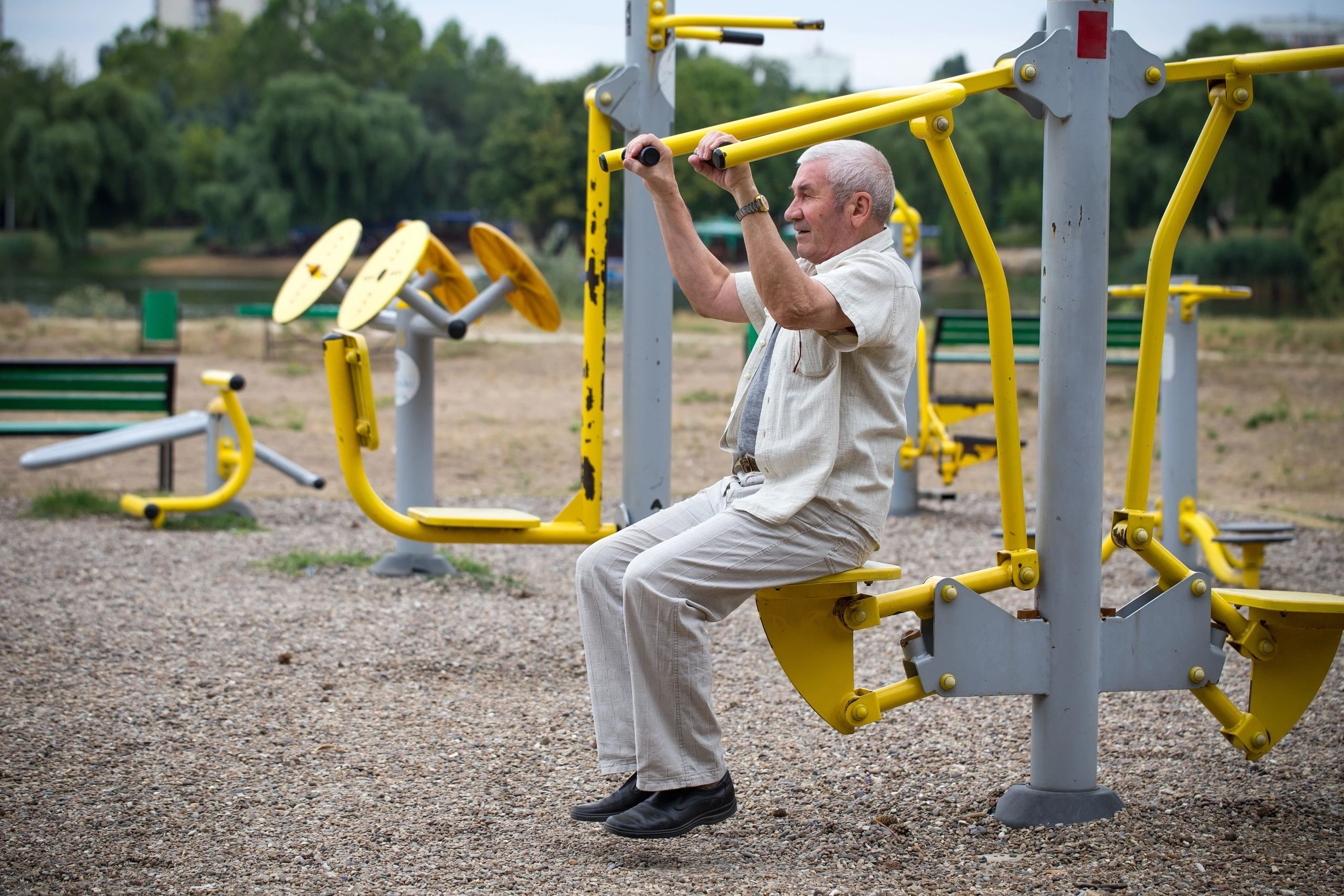
Lifestyle
In this section, you can find reliable information about nutrition, exercise, quitting smoking, and healthy living habits that can help protect heart health and improve quality of life.

Resources
This section contains brochures, infographics, videos, and frequently asked questions to help you learn more about heart health.
What Is the Most Common Rhythm Disorder? What Causes It? How Is It Treated?
The most common and clinically important heart rhythm disorder is atrial fibrillation (AF). Its frequency increases markedly with age. However, AF is not a disease seen only in older age; many factors such as high blood pressure, obesity, diabetes, heart disease, sleep apnea, and excessive alcohol consumption can also set the stage for it to appear at younger ages. What is atrial fibrillation? Normally, the atria and ventricles of the heart work in a regular rhythm. In atrial fibrillation, however, the atria of the heart begin to work with very fast and irregular electrical impulses. As a result, the heartbeat becomes irregular. Patients sometimes describe this as “my heart is skipping,” “my heart speeds up and then slows down,” or “my heart is beating irregularly.” However, there is an important point: AF does not always cause palpitations. Some people may have no symptoms at all, and the rhythm disorder may be noticed during a routine examination, an ECG, or a test done for another reason.
Why Is It Important?
The most important problem with atrial fibrillation is not just that the heart beats fast or irregularly. When the atria of the heart do not contract regularly, blood can pool, especially in the left atrium, making clot formation easier. If this clot enters the circulation and travels to the brain, it can cause a stroke. For this reason, one of the doctor's first assessments in a patient diagnosed with AF is the question, “How high is this patient's stroke risk?” Using appropriate anticoagulant (blood thinner) therapy in patients at high stroke risk is one of the most important parts of AF treatment.
What Causes It?
Many factors can play a role in the development of AF. The most important are:
- High blood pressure
- Advancing age
- Coronary artery disease and a previous heart attack
- Heart failure
- Heart valve disease
- Diabetes
- Obesity
- Sleep apnea
- Thyroid disease
- Excessive alcohol consumption
- Smoking
- Sedentary lifestyle
- Certain lung diseases
- Structural heart disease
- Sometimes, especially in younger people, AF may also
occur without any significant structural heart disease.
Do Stress and Coffee Cause AF?
Stress, lack of sleep, excessive alcohol consumption, and, in some people, heavy caffeine intake can trigger palpitations. However, it is not correct to say that “drinking coffee directly causes AF.” In fact, current data show that moderate coffee consumption generally does not significantly increase the risk of AF. Nevertheless, if a person notices that they consistently experience palpitations or an AF episode after a particular drink, they should share this with their doctor.
What Are the Symptoms?
The symptoms of AF can vary from person to person:
- Palpitations
- Irregular or fast heartbeat
- Shortness of breath
- Tiring easily
- Weakness
- Dizziness
- Chest discomfort
- Reduced exercise capacity
- Some patients have no symptoms at all. For this reason, especially in older people and in those with hypertension,
- diabetes, or other heart diseases, noticing an irregular pulse
should be taken seriously.
How Is AF Detected? How Is It Diagnosed?
The most basic method for diagnosing atrial fibrillation is electrocardiography (ECG). However, if AF occurs in episodes, an ECG lasting a few minutes taken at the hospital may be normal. In such cases:
- Holter ECG
Long-term rhythm recording devices
Rhythm recordings obtained from wearable devices and smartwatches can help with diagnosis. However, a smartwatch alert alone does not mean a definite diagnosis of AF. In suspected cases, confirmation with an ECG is required.
What Is the Goal of Treatment?
There is no single goal in AF treatment. In general, there are four goals:
1. Reducing the risk of stroke
Anticoagulant medications may be used in patients at high risk of stroke. However, not every AF patient is given a blood thinner. The treatment decision is made based on the patient's age, accompanying diseases, and individual stroke risk.
2. Preventing the heart from beating too fast
Heart rate can be kept under control with medications such as beta blockers.
3. Trying to keep the heart in normal rhythm
In suitable patients, rhythm-control medications or electrical cardioversion may be used.
4. Trying to eliminate AF itself
Catheter ablation may be performed in suitable patients. In this method, catheters advanced to the heart through a vein in the groin are used to target the electrical sources that trigger AF, particularly the areas around the pulmonary veins, in an effort to reduce recurrence of the rhythm disorder.
Is It Possible to Prevent AF?
It is not possible to prevent every case of AF. However, there is a lot that can be done to reduce the risk of AF developing or recurring. To protect your heart:
Keep your blood pressure under control. If you are overweight, lose weight in a healthy way. Get regular physical activity. Do not smoke. Avoid excessive alcohol consumption. Control diabetes and high cholesterol. If you have sleep apnea, get treatment. Get enough regular sleep. Keep the risk factors for cardiovascular disease under control. In particular, weight loss, blood pressure control, physical activity, and treatment of sleep apnea are becoming increasingly important in the management of AF.
When Should You See a Doctor?
If you feel that your heart is beating irregularly or very fast, especially if this keeps happening, you should be evaluated by a doctor. However, if palpitations are accompanied by chest pain, severe shortness of breath, fainting, or feeling faint, urgent medical evaluation is needed. In addition, sudden weakness in the face or arm, difficulty speaking, loss of vision, or marked loss of balance may be signs of a stroke and require emergency evaluation.
The Most Important Message: AF Is More Than Just Palpitations
Atrial fibrillation is an important heart rhythm disorder that is becoming increasingly common today. However, it can be brought under control with early diagnosis and the right treatment. The goal here is not only to correct the heart's rhythm. Preventing stroke, reducing complications such as heart failure, improving the patient's quality of life, and preventing the progression of AF are the main goals of treatment. In short: If you feel that your heart is beating irregularly, do not dismiss it as just “palpitations.” A recurring irregular pulse, in particular, may be the first sign of atrial fibrillation.
References:
- Van Gelder IC, Rienstra M, Bunting KV, et al. 2024 ESC Guidelines for the
- management of atrial fibrillation developed in collaboration with the European
- Association for Cardio-Thoracic Surgery (EACTS). Eur Heart J. 2024;45(36):3314
3414.
- Joglar JA, Chung MK, Armbruster AL, et al. 2023 ACC/AHA/ACCP/HRS Guideline for the Diagnosis and Management of Atrial Fibrillation. Circulation. 2024;149:e1-e156.
- Kirchhof P, Camm AJ, Goette A, et al.Early Rhythm-Control Therapy in Patients with
Atrial Fibrillation. N Engl J Med. 2020;383:1305-1316.
- Packer DL, Mark DB, Robb RA, et al. Effect of Catheter Ablation vs Antiarrhythmic
Drug Therapy on Mortality, Stroke, Bleeding, and Cardiac Arrest Among Patients With Atrial Fibrillation: The CABANA Randomized Clinical Trial. JAMA. 2019;321(13):12611274.
• • • • • •
Pathak RK, Middeldorp ME, Meredith M, et al. Long-Term Effect of Goal-Directed
Weight Management in an Atrial Fibrillation Cohort: A Long-Term Follow-Up Study
(LEGACY). J Am Coll Cardiol. 2015;65(20):2159-2169. Connolly SJ, Ezekowitz MD, Yusuf S, et al. Dabigatran versus Warfarin in Patients with Atrial Fibrillation. N Engl J Med. 2009;361:1139-1151.
Granger CB, Alexander JH, McMurray JJV, et al. Apixaban versus Warfarin in
Patients with Atrial Fibrillation. N Engl J Med. 2011;365:981-992. Healey JS, Connolly SJ, Gold MR, et al. Subclinical Atrial Fibrillation and the Risk of Stroke. N Engl J Med. 2012;366:120-129. Hindricks G, Potpara T, Dagres N, et al. 2020 ESC Guidelines for the diagnosis and management of atrial fibrillation developed in collaboration with EACTS. Eur Heart J. 2021;42(5):373-498. Kirchhof P, Benussi S, Kotecha D, et al. 2016 ESC Guidelines for the management of atrial fibrillation developed in collaboration with EACTS. Eur Heart J. 2016;37(38):2893-2962.
Belgeyi PDF olarak görüntüle
Are Heart and Vascular Diseases Different in Women Than in Men?
For many years, heart and vascular diseases were perceived mostly as a “men's disease.” Yet they are also one of the leading causes of death in women. Moreover, in women, the onset of the disease, its symptoms, risk factors, and some treatment approaches may differ from those in men.
Why Is Heart Disease Different in Women?
Women's cardiovascular system is affected by hormones, pregnancy, menopause, and certain biological characteristics. Estrogen in particular has protective effects on vascular health before menopause. For this reason, coronary heart disease usually appears at a later age in women than in men. However, as this protective effect decreases with menopause, the risk of high blood pressure, high cholesterol, arterial stiffness, and cardiovascular disease rises rapidly. Therefore:
- The idea that “heart disease is less common in women” is wrong; in women, the disease often
appears at a later age.
Symptoms in Women May Differ from Those in Men
When people think of a heart attack in men, they usually picture severe chest pain that starts in the middle of the chest and spreads to the arm or jaw. In women, this classic picture may occur, but different symptoms may also appear:
- Ø Shortness of breath
- Ø Unusual fatigue
- Ø Weakness
- Ø Nausea or vomiting
- Ø Back, shoulder, or jaw pain
- Ø Pressure or discomfort in the chest
- Ø Cold sweats
- Ø Dizziness
- Insufficient awareness that these symptoms may be heart-related can
cause a delay in diagnosis. However, one important point must be emphasized: a heart attack in women does not necessarily present with “atypical” symptoms. Chest pain or chest pressure is also one of the most important symptoms in women.
Some Risk Factors May Be More Important in Women
Smoking, high blood pressure, high cholesterol, diabetes, obesity, and physical inactivity are important risk factors in women as well. However, the effect of some risk factors in women is particularly striking. Diabetes: Diabetes may increase the risk of cardiovascular disease more in women than in men. Smoking: Smoking is also a strong risk factor for heart attack and vascular disease in women. Hypertension: High blood pressure is very common in women, especially after menopause, and significantly increases the risk of heart failure, stroke, and coronary disease.
Obesity: Excess weight increases the risk of hypertension, diabetes, sleep apnea, and cardiovascular disease. Conditions that arise during pregnancy may indicate future heart risk An important issue specific to women is complications that arise during pregnancy. For example:
- Ø Gestational hypertension
- Ø Preeclampsia
- Ø Gestational diabetes
- Ø Preterm birth
- Ø Cardiovascular complications during pregnancy may be signs that the risk of cardiovascular disease
may be higher in later years.
For this reason, it is important for women who have had blood pressure or blood sugar problems during pregnancy to have their cardiovascular risk evaluated after pregnancy as well. In women, the heart arteries may not be completely blocked There is a very important difference here. In women, coronary artery disease is not caused only by the classic atherosclerotic narrowing of the large arteries. In some women:
Microvascular disease, that is, dysfunction of the heart's small blood vessels, may occur. In addition, temporary constriction of the arteries (coronary vasospasm) can also lead to chest pain and heart attack. For this reason, in women with ongoing chest pain, the absence of significant narrowing in the large arteries on coronary angiography does not mean “there is no heart disease.” In these patients, conditions such as microvascular disease or vasospasm may be investigated.
Is There a Difference in Treatment Between Women and Men?
The basic treatments are the same for women and men. When there is a heart attack, coronary artery disease, hypertension, or heart failure, women should benefit from proven treatments just as men do. For example:
- Statins (cholesterol-lowering medications)
- Antiplatelet medications, anticoagulants (blood thinners)
- Beta blockers
- ACE inhibitors/ARBs
- Heart failure medications
- Interventional treatments such as coronary stents
- Bypass surgery is also used in women when needed.
However, there are some aspects of the treatment approach that are specific to women.
Why Can Treatment Sometimes Be Delayed in Women?
The perception of cardiovascular disease as a men's disease, different interpretation of symptoms, and the fact that in some women the disease affects the small blood vessels can make the diagnosis and treatment process more difficult in women. In addition, women may be affected differently by some cardiovascular medications in terms of side effects. For example, side effects related to some medications may be more common in women. For this reason, treatment must always be individualized. Should women receive the same treatment as men for a heart attack? Yes. Being a woman is not an obstacle to angiography, stenting, or bypass treatment when needed. However, it is very important that diagnosis is not delayed, especially when a heart attack is suspected. Considering earlier that symptoms in women may be heart-related, and performing the necessary ECG, troponin, and imaging tests in a timely manner, can be critical to the success of treatment. Stroke risk in women also has different characteristics In women, cardiovascular disease does not mean only heart attack.Stroke is also a very important health problem in women. In particular:
- Ø Hypertension
- Ø Atrial fibrillation
- Ø Diabetes
- Ø Obesity
Ø Smoking increases the risk of stroke. In women, pregnancy, preeclampsia, and certain hormonal conditions should also be taken into account in lifelong cardiovascular risk assessment. Why is menopause important? Menopause is an important turning point for women's cardiovascular health.After menopause:
Blood pressure may begin to rise. LDL cholesterol may increase. Weight, and especially fat around the abdomen, may increase. Insulin resistance may develop. The risk of arterial stiffness may increase. For this reason, menopause is an important period not only for women's health but also for cardiovascular health. However, starting hormone therapy routinely in every patient and at every age for the purpose of preventing heart disease is not recommended. The decision on hormone therapy should be made taking into account menopausal symptoms and the woman's individual risks. How can women protect themselves from heart disease? The most important protective approach is controlling risk factors at an early stage. In particular, it is important for women to:
- Have their blood pressure measured regularly
- Have their cholesterol levels checked
Have their blood sugar monitored
Maintain a healthy weight Exercise regularly Not smoke Eat healthily Get enough sleep Share problems experienced during pregnancy, such as hypertension and diabetes, with their doctor in later years as well.
The Most Important Message for Women
Heart disease is not just a men's disease. In women, a heart attack may sometimes present with different symptoms, some risk factors may be stronger, and small vessel disease may be more common. For this reason, preventing, recognizing early, and treating cardiovascular disease in a timely manner is particularly important in women. In particular, chest pressure/pain, new shortness of breath, unexplained extreme fatigue, cold sweats, nausea, or new pain in the jaw, back, or shoulder area may be signs of a heart attack. When these symptoms occur, do not wait, thinking “heart attacks don't look like this in women.”
- Joynt Maddox KE, Reynolds HR, Adedinsewo D, et al. Forecasting the Burden of
- Cardiovascular Disease and Stroke in Women in the United States Through 2050: A
Scientific Statement From the American Heart Association. Circulation. 2026;153:e1061-e1077.
- Knuuti J, Wijns W, Saraste A, et al. 2024 ESC Guidelines for the management of chronic coronary syndromes. Eur Heart J. 2024;45:3415-3537. Particularly important with regard to women-specific risk factors and differences in diagnosis and treatment.
- Van Gelder IC, Rienstra M, Bunting KV, et al. 2024 ESC Guidelines for the management of atrial fibrillation developed in collaboration with EACTS. Eur Heart J.
2024;45:3314-3414.
- Virani SS, Newby LK, Arnold SV, et al. 2023 AHA/ACC/ACCP/ASPC/NLA/PCNA
Guideline for the Management of Patients With Chronic Coronary Disease. Circulation. 2023;148:e9-e119.
- McSweeney JC, Rosenfeld AG, Abel WM, et al. Preventing and Experiencing
Ischemic Heart Disease as a Woman: State of the Science. Circulation. 2016;133:1302-1331.
- Mehta LS, Beckie TM, DeVon HA, et al. Acute Myocardial Infarction in Women: A
Scientific Statement From the American Heart Association. Circulation. 2016;133:916-947.
- Regitz-Zagrosek V, Gebhard C. Gender medicine: effects of sex and gender on cardiovascular disease manifestation and outcomes. Nat Rev Cardiol. 2020;17: ̶?
- Regitz-Zagrosek V, Roos-Hesselink JW, Bauersachs J, et al. 2018 ESC Guidelines for the management of cardiovascular diseases during pregnancy. Eur Heart J.
2018;39:3165-3241.
- Sliwa K, Johnson MR, Zilla P, Roos-Hesselink JW. Management of peripartum cardiomyopathy—Part 1: The ESC position statement on peripartum cardiomyopathy.
Eur J Heart Fail. 2010;12:767-778.
- European Society of Cardiology Working Group on Coronary Pathophysiology and
Microcirculation, et al. Sex and gender differences in coronary pathophysiology and ischaemic heart disease. Eur Heart J. 2026;47:2727-2750.
Belgeyi PDF olarak görüntüle
Can a Crease in the Earlobe Be a Sign of Heart Disease?
While looking at yourself in the mirror, you noticed a prominent diagonal crease running across your earlobe. You may have come across information online, in particular, claiming that this crease is a “sign of heart disease.” The medical name for this crease is diagonal earlobe crease (DELC), and it is commonly known as an earlobe crease. It is also referred to as Frank's sign.
So, Is It Really Related to Heart Disease?
Yes, some studies have shown that this prominent crease in the earlobe may be associated with cardiovascular disease and hardening of the arteries. However, this crease alone does not mean that you have heart disease, and it cannot be used to diagnose heart disease. Today, this finding is regarded more as a simple physical sign suggesting that attention should be paid to a person's cardiovascular risk factors.
What Is an Earlobe Crease?
An earlobe crease is a prominent skin fold running diagonally across the earlobe. It usually starts near the front of the earlobe and extends backward and downward. The crease:
May be on one ear. May be on both ears. May be superficial or deeper. May be short or may run all the way across the earlobe. In some studies, a prominent, deep crease present on both ears in particular has shown a stronger association with cardiovascular disease.
Why Is It Called the "Heart Disease Crease"?
This finding was first described in the 1970s by the American physician Sanders T. Frank as a notable physical finding in people with cardiovascular disease. Research conducted in later years showed that this crease in the earlobe may be associated in particular with hardening of the arteries (atherosclerosis) and disease of the arteries that supply the heart. However, there is an important distinction here: the earlobe crease is not the cause of heart disease; in some people, it may be a sign that is seen together with cardiovascular disease.
Why Might an Earlobe Crease Be Associated with Heart Disease?
The exact reason for this is not yet known. Researchers have several different explanations. In heart and vascular disease, changes occur in the structure of blood vessels and in blood flow in the small vessels. Since the earlobe also contains very small blood vessels, it is thought that changes in vascular structure may lead to visible changes in the skin and tissues there. Another view suggests that the earlobe crease may result not directly from vascular disease but from aging and changes in the body's connective tissue. Therefore, at present, there is no established cause-and-effect relationship of the kind "an earlobe crease forms → a heart artery becomes blocked."
Does Everyone with an Earlobe Crease Have Heart Disease?
No. This is the most important point. An earlobe crease alone is not a reliable diagnostic method for heart disease. A systematic review published in 2021 examined 13 studies and approximately 4,000 people and concluded that the accuracy of the earlobe crease in identifying significant narrowing of the heart arteries was not sufficient. In other words: one cannot say "your heart arteries are blocked" by looking at an earlobe crease.
So, Why Is It Taken Seriously?
Because some studies have shown that cardiovascular disease is more common in people with an earlobe crease. For example, in a 2024 study of 1,050 adults, the calculated cardiovascular disease risk was found to be higher in people with an earlobe crease. The association with risk indicators was stronger when the crease was bilateral, deeper, and more prominent. A systematic review and meta-analysis published in 2025 evaluated data from a total of approximately 5,000 people in 12 studies. It reported that the likelihood of coronary artery disease was higher in people with an earlobe crease. However, these results do not mean that an earlobe crease definitively indicates heart disease.
Is the Risk Higher If the Crease Is on Both Ears?
Much of the research shows a stronger association between bilateral earlobe creases and cardiovascular disease. An important study conducted in Türkiye in 2004 evaluated 415 patients and found that bilateral earlobe crease was independently associated with coronary artery disease. Prof. Dr. Mehdi Zoghi is among the authors of this study. The study showed that bilateral earlobe crease was associated not only with cardiovascular disease but also with cardiovascular risk factors such as age, high blood pressure, smoking, male sex, and a family history of heart disease.
CreaseLobe
On Both Ears
Is the Risk Higher If It Is Present? What Should I Do If I Have an Ear Crease? There is no need to panic. However, you can see this crease as an opportunity to have your cardiovascular health checked. It is a good idea to talk to your doctor, especially if any of the following apply to you:
- If you have high blood pressure
- If your cholesterol is high
- If you smoke
- If you have diabetes
- If you are overweight
- If there is a family history of early heart attack
- If you have had chest pain before
- If you get short of breath when walking or climbing stairs
- If you tire easily
Should I Have a Heart Checkup If I Have an Earlobe Crease?
Yes, especially if you also have other risk factors. However, the goal is not to treat the earlobe crease, but to evaluate the cardiovascular risks the crease may be pointing to. For example, an earlobe crease in a 55-year-old person who smokes and has high blood pressure and high cholesterol is of greater significance. In contrast, it is not appropriate to perform advanced heart tests solely because of an earlobe crease in a young, healthy person with normal blood pressure and cholesterol who does not smoke.
Can an Earlobe Crease Be Due to Aging?
Yes. The frequency of earlobe creases increases with age. For this reason, it is not correct to regard every earlobe crease, especially those seen in older age, as a sign of heart disease.
Does an Earlobe Crease Mean I Will Have a Heart Attack?
Absolutely not. When you see this crease, you should not think, "I'm going to have a heart attack soon." There are much more important factors that determine heart attack risk:
- Smoking
- High LDL cholesterol
- High blood pressure
- Diabetes
- Excess weight
- Physical inactivity
- Age
- Family history
- Previous cardiovascular disease
If you have an earlobe crease, controlling these factors is more important. In summary: I have a crease in my earlobe; are my heart arteries blocked? No. An earlobe crease is not a definitive test showing arterial blockage. I have a crease on both ears. Is my risk higher? Some studies have shown that a bilateral crease is more strongly associated with cardiovascular disease. However, it still does not establish a diagnosis on its own. Can an earlobe crease also be seen in young people? It can, but it becomes more common with age. Does it matter if the crease is deep? Some studies show that deeper, longer, and bilateral creases may be more strongly associated with cardiovascular disease. However, it is not accurate enough to make clinical decisions on its own.
In Conclusion
A diagonal crease in the earlobe, known as Frank's sign, is an interesting physical finding that may be associated with cardiovascular disease. Many studies show that a prominent crease, especially one present on both ears, is associated with coronary artery disease. However, scientific evidence shows that this crease alone is not sufficient to diagnose heart disease. For this reason, if you see such a crease on your earlobe, rather than worrying, think of it as a reminder to evaluate your heart health. Reviewing your blood pressure, cholesterol, blood sugar, weight, and smoking, and evaluating your cardiovascular risk with your doctor, especially if there is a family history of early heart disease, is much more important.
An earlobe crease is not proof of heart disease; however, it is a simple physical sign
that can be taken into account when reviewing cardiovascular risks. References:
- •
- •
- •
• • • • • • • • •
Evrengül H, Dursunoğlu D, Kaftan A, Zoghi M, Tanriverdi H, Zungur M, Kılıç M. Bilateral diagonal earlobe crease and coronary artery disease: a significant association. Dermatology. 2004;209(4):271-275. Shmilovich H, Cheng VY, Rajani R, et al. Relation of diagonal ear lobe crease to the presence, extent, and severity of coronary artery disease determined by coronary computed tomography angiography. The American Journal of Cardiology. 2012;109(9):1283-1287. Elliott WJ, Karrison T. Increased all-cause and cardiac morbidity and mortality associated with the diagonal earlobe crease: a prospective cohort study. The American Journal of Medicine. 1991;91(3):247-254. Tranchesi Júnior B, Barbosa V, de Albuquerque CP, et al.Diagonal earlobe crease as a marker of the presence and extent of coronary atherosclerosis. The American Journal of Cardiology. 1992;70(14):1417-1420.
Friedlander AH, López-López J, Velasco-Ortega E. Diagonal ear lobe crease and
atherosclerosis: A review of the medical literature and dental implications. Medicina Oral, Patología Oral y Cirugía Bucal. 2012;17(1):e153-e159. Nardone R, et al. Diagonal earlobe crease (Frank's sign) and increased risk of cerebrovascular diseases: review of the literature and implications for clinical practice. Journal of Clinical Neurology. 2019. Curtis J, Walford S. Why we should be looking for earlobe creases in ENT. A systematic review and meta-analysis of diagonal earlobe crease and coronary artery disease. The Journal of Laryngology & Otology. 2025;139(3):160-167.
Coma F, et al. Diagonal Earlobe Crease (Frank’s Sign) for Diagnosis of Coronary
Artery Disease: A Systematic Review of Diagnostic Test Accuracy Studies. Journal of Clinical Medicine. 2021;10(13):2799. Wang Y, Mao LH, Jia EZ, et al. Relationship between diagonal earlobe creases and coronary artery disease as determined via angiography. BMJ Open. 2016;6(2):e008558.
Llamas-Velasco M, et al. Frank's Sign and Cardiovascular Risk: An Observational
Descriptive Study. The American Journal of Medicine. 2024;137(1):47-54.
Belgeyi PDF olarak görüntüle
What Is Renal Denervation? Will It Lower My Blood Pressure? Who Is It Recommended For?
Renal denervation (RDN) is a minimally invasive, catheter-based treatment method used particularly in some patients whose blood pressure cannot be adequately controlled despite medications. It is sometimes popularly described as “burning the kidney nerves.” In fact, the procedure aims to reduce the activity of the sympathetic nerves surrounding the kidney arteries. Controlled randomized studies conducted in recent years have shown that renal denervation can
indeed lower blood pressure. However, there is an important point:
- Renal denervation is not a treatment that can be used by everyone in place of blood pressure
- medication. It is mainly considered in suitable patients, in addition to medication and lifestyle
treatment.
How Is Renal Denervation Performed?
The procedure is usually performed by advancing a thin catheter through a vein in the groin or another suitable vascular access point. The catheter is guided to the kidney arteries. Then, radiofrequency energy or ultrasound energy is applied to the sympathetic nerves located around the kidney
arteries, which play a role in regulating blood pressure. The goal is:
- Kidney → nervous system → blood vessels → blood pressure
- to reduce the excessive sympathetic signaling along this pathway.
The procedure is not a surgical operation, and the kidney itself is not removed or cut.
How Do the Kidney Nerves Affect Blood Pressure?
The kidneys are not only organs that produce urine. In the regulation of blood pressure:
- Adjusting the salt and water balance,
- The renin-angiotensin-aldosterone system,
- And the sympathetic nervous system play important roles. In some people, overactivity of the sympathetic nervous system can contribute to blood pressure remaining high. The goal of renal denervation is to reduce this excessive nerve activity.
Does Renal Denervation Really Lower Blood Pressure?
Yes, but the decrease is usually moderate. Randomized, sham-controlled studies with new-generation devices have shown that renal denervation can reduce both office blood pressure and 24-hour blood pressure measurements. For example, in the SPYRAL HTN-OFF MED study, a difference of approximately 4 mmHg in 24-hour systolic blood pressure and approximately 6.5 mmHg in office systolic blood pressure was found between renal denervation and the sham procedure. In the RADIANCE-HTN TRIO study, in patients whose blood pressure remained high despite standard triple-drug therapy, ultrasound renal denervation provided an approximately 4.5–5.8 mmHg greater reduction in daytime ambulatory systolic blood pressure compared with the sham procedure. For this reason, it should not be assumed that blood pressure will definitely “return to normal” after the procedure.
Can I Stop My Blood Pressure Medications?
For most patients, no.This is a very important point. The goal of renal denervation is usually not “to stop medications completely,” but to improve blood pressure control and support the effect of drug therapy. In some patients, a reduction in the number or dose of medications may be possible over time. However, this is not guaranteed. For example, long-term SPYRAL data showed that the reduction in blood pressure continued after renal denervation, but a significant proportion of patients continued to use antihypertensive medication. Therefore, it is not correct to think, “I'll have renal denervation and then I won't need blood pressure medication anymore.”
Who Might Be Recommended Renal Denervation?
The following patients in particular may be considered:
1. People with resistant hypertension
If blood pressure does not reach the target despite three or more appropriate blood pressure medications, resistant hypertension may be present.
However, it must first be confirmed that it is truly resistant hypertension.
2. People whose blood pressure is not controlled despite medications
In particular, if:
- It has been confirmed that medications are being taken regularly,
- An appropriate combination of medications is being used,
- Lifestyle changes have been made,
- Hypertension persists on 24-hour blood pressure monitoring, renal denervation may be considered.
The ESC/EAPCI consensus document considers RDN as an additional treatment option particularly for uncontrolled resistant hypertension that has been confirmed by ambulatory blood pressure monitoring and persists despite lifestyle and drug therapy.
3. People who cannot tolerate blood pressure medications in the long term
Some patients may not be able to take multiple medications adequately due to reasons such as:
- Side effects,
- Low blood pressure,
- Swelling (edema),
- Cough,
- Electrolyte imbalances. Suitability can also be evaluated in these patients.
Is Renal Denervation Performed on Every Patient with High Blood Pressure?
No. In a newly diagnosed patient whose blood pressure can be controlled with a single medication, renal denervation is usually not the first option. First:
1. Accurate blood pressure measurement,
2. Home blood pressure monitoring,
3. 24-hour ambulatory blood pressure monitoring if necessary,
4. Assessment of whether medications are being taken correctly and regularly,
5. Reducing excess salt intake,
6. Weight control,
7. Investigation of secondary causes such as sleep apnea,
8. An appropriate combination of medications
should be evaluated. After these, renal denervation may be considered in suitable patients.
What Is Checked Before Renal Denervation?
Before the procedure, it is investigated whether the patient is truly a suitable candidate. In particular, the following are evaluated:
- 24-hour blood pressure monitoring,
- Kidney function,
- The structure of the kidney arteries,
- Whether there is narrowing in the kidney arteries,
- Medications being used,
- Adherence to medications,
- Secondary causes of hypertension.
The aim is to avoid performing an unnecessary procedure for hypertension that has been misdiagnosed or is uncontrolled for a different reason.
Can the Procedure Harm the Kidneys?
Current clinical studies have not shown a clear signal that renal denervation causes serious kidney damage in suitable patients. However, this does not mean that the procedure is completely risk-free. As with any catheter-based vascular procedure, the following may occur:
- Damage to blood vessels,
- Bleeding,
- Narrowing of the kidney artery,
- Problems related to the contrast agent,
- Other procedure-related complications.
For this reason, the procedure should be performed in experienced centers and with appropriate patient selection. The American Heart Association's 2024 scientific statement notes that the safety profile in new-generation renal denervation studies is generally good, but that individual responses vary and which patients will benefit most is still being investigated.
How Much Does Blood Pressure Drop After the Procedure?
This varies from person to person. On average, in sham-controlled studies:- additional reductions of approximately 4–10 mmHg in 24-hour systolic blood pressure have been shown. However, some patients may have a greater reduction and others a smaller one.
Is the effect permanent? Current data show that the effect can last for at least several years. However, the evidence on whether it directly reduces clinical outcomes such as heart attack, stroke, and death over much longer periods is still not as strong as the evidence for its blood pressure-lowering effect. For this reason, the procedure is currently used mainly to lower blood pressure.
Renal Denervation or Blood Pressure Medication?
In fact, most of the time it is not an “either-or” choice. The more accurate approach is:
Lifestyle + blood pressure medications + renal denervation in suitable patients
Renal denervation should be regarded not so much as an alternative to drug therapy, but as an option added to treatment in suitable patients.
Does Renal Denervation Prevent Heart Attacks and Strokes?
It has now been strongly shown that renal denervation lowers blood pressure. However, there are not yet sufficient long-term randomized clinical outcome data to say that renal denervation definitely prevents heart attacks and strokes.
We know that lowering blood pressure generally reduces the risk of heart attack and stroke. However, studies directly showing this clinical benefit for renal denervation need to be of longer duration. For this reason, the main benefit expected from the procedure should currently be expressed as “better control of blood pressure.”
In Conclusion:
- Is renal denervation surgery?
- No. It is not a surgical operation. It is a minimally
invasive procedure performed through a blood vessel using a catheter. Will my kidneys be harmed? Modern studies in suitable patients have not shown a significant safety concern regarding serious kidney damage. However, as with any vascular procedure, there are risks. Can I stop my blood pressure medications? Sometimes the need for medication may decrease, but there is no guarantee that you will be able to stop your medications completely. Drug therapy should not be changed without your doctor's advice. Can the procedure be performed on everyone? No. It is considered particularly in properly evaluated patients with resistant or uncontrolled hypertension. Is the procedure a definitive solution? No. On average, it lowers blood pressure by a meaningful amount, but it does not have the same effect in everyone. Renal denervation is a catheter-based treatment that has regained importance in hypertension treatment in recent years and can reduce blood pressure moderately and durably. It has become an important treatment option especially for patients with resistant or uncontrolled hypertension whose blood pressure cannot be controlled despite appropriate drug therapy and lifestyle changes.
Current evidence shows that new-generation radiofrequency and ultrasound systems lower blood pressure compared with sham procedures. Nevertheless, renal denervation is not a procedure that should be performed on every patient with hypertension, and it does not automatically replace blood pressure medications. First, accurate blood pressure measurement, 24-hour blood pressure monitoring, medication adherence, lifestyle, and secondary causes of hypertension should be evaluated. In suitable patients, renal denervation can be added to drug therapy to improve blood pressure control. The American Heart Association also emphasizes in its 2024 scientific statement that the method lowers blood pressure modestly and generally has a good safety profile, but that which patients will benefit most has not yet been fully determined.
- Bhatt DL, Kandzari DE, O'Neill WW, et al. SYMPLICITY HTN-3 A Controlled Trial of
Renal Denervation for Resistant Hypertension. New England Journal of Medicine. 2014;370:1393–1401.
- Townsend RR, Mahfoud F, Kandzari DE, et al. SPYRAL HTN-OFF MED. Catheterbased renal denervation in patients with uncontrolled hypertension in the absence of antihypertensive medications (SPYRAL HTN-OFF MED): a randomised, shamcontrolled, proof-of-concept trial. The Lancet. 2017;390:2160–2170.
- Böhm M, Kario K, Kandzari DE, et al. SPYRAL HTN-OFF MED Pivotal. Efficacy of catheter-based renal denervation in the absence of antihypertensive medications
(SPYRAL HTN-OFF MED Pivotal): a multicentre, randomised, sham-controlled trial. The Lancet. 2020;395:1444–1451.
- Azizi M, Schmieder RE, Mahfoud F, et al. RADIANCE-HTN SOLO.
- Endovascular Ultrasound Renal Denervation to Treat Hypertension (RADIANCE-HTN
SOLO): a Multicentre, International, Single-Blind, Randomised, Sham-Controlled
Trial. The Lancet. 2018.
- Azizi M, Sanghvi M, Saxena M, et al. RADIANCE-HTN TRIO. Ultrasound renal denervation for hypertension resistant to a triple medication pill (RADIANCE-HTN
TRIO): a randomised, multicentre, single-blind, sham-controlled trial. The Lancet. 2021;397:2476–2486.
- Cluett JL, Blazek O, Brown AL, et al. 2024 American Heart Association Scientific
Statement
- Renal Denervation for the Treatment of Hypertension: A Scientific Statement From the American Heart Association. Hypertension. 2024;81(10):e135–e148.
Barbato E, Azizi M, Schmieder RE, et al. ESC/EAPCI Clinical Consensus Statement
Renal denervation in the management of hypertension in adults. A clinical consensus statement of the ESC Council on Hypertension and the European Association of Percutaneous Cardiovascular Interventions (EAPCI). European Heart Journal. 2023;44:1313–1330. Long-term clinical benefit after radiofrequency renal denervation: pooled 36-month results from the SPYRAL Clinical Program. European Heart Journal. 2026.
Belgeyi PDF olarak görüntüle
What You Should Know About Weight-Loss Injections
In recent years, medications such as semaglutide and tirzepatide have been among the treatments most talked about by people who want to lose weight. Popularly known as “weight-loss injections,” these medications have become an important option, especially in the treatment of obesity and health problems related to excess weight. However, it is not right to view these medications as “miracle weight-loss shots.” They are medical treatments that are effective when used in the right person, at the right dose, under a doctor's supervision, and together with lifestyle changes.
How Do Weight-Loss Injections Work?
Many of these medications mimic the effects of certain gut hormones that occur naturally in our body. By acting on the appetite centers in the brain, they reduce the feeling of hunger,
increase the feeling of fullness, and help the person eat less. Some may also slow stomach emptying. Tirzepatide, on the other hand, acts through two different hormone systems. In short, weight-loss injections do not directly “melt” body fat; they reduce appetite, leading to eating less and, as a result, weight loss.
Do They Really Cause Weight Loss?
Yes. In suitable patients, significant weight loss can be achieved with these medications. However, not everyone loses the same amount of weight. Starting weight, the medication used, the dose, the duration of treatment, diet, physical activity, and the person's metabolic characteristics all affect the outcome. For this reason, personal experiences seen on social media, such as “I lost this much weight in 3 months,” do not apply to everyone. Should every overweight person use weight-loss injections? No. These medications are not a suitable option for healthy people who want to lose a few pounds. They are generally used, after evaluation by a doctor, in people with obesity or with health problems accompanying excess weight, such as hypertension, type 2 diabetes, or sleep apnea. When making the decision, not only the weight on the scale is considered, but also body mass index, waist circumference, accompanying diseases, medications being used, and the person's overall health. Who should not use weight-loss injections or should be especially careful? The use of weight-loss injections is not suitable for everyone. For this reason, the person's medical history must always be evaluated. These medications should not be used during pregnancy. Whether they can be used during breastfeeding must also be evaluated by a doctor. It is not appropriate for generally healthy people of normal weight who only want to lose a few pounds to use these medications simply to look thinner.
Special evaluation is required for people with certain chronic diseases. In particular, a doctor should decide whether people with certain thyroid diseases, pancreatic diseases, serious stomach and bowel diseases, kidney disease, heart failure, and certain rhythm disorders can use the medication. There is also an important detail regarding thyroid disease. It is not correct to say that “no one with thyroid disease can use these medications.” However, some GLP-1-based medications should not be used in certain situations, such as a history of medullary thyroid cancer or multiple endocrine neoplasia type 2 (MEN2). In people who take many medications, treatment also needs to be monitored by a doctor because of drug interactions and changes in blood pressure or blood sugar levels that accompany weight loss. Are there side effects? Yes. Especially at the beginning of treatment, nausea, vomiting, diarrhea, constipation, abdominal pain, bloating, indigestion, and feeling full quickly may occur. In most people, these complaints may lessen over time. However, in cases such as severe or persistent abdominal pain, continuous vomiting, or serious fluid loss, a doctor must be consulted.
Is it true that “the faster I lose weight, the better”? No. The goal is not to lose as much weight as possible in the shortest possible time. With very rapid weight loss, muscle mass may decrease in addition to fat tissue. For this reason, the important question is not only “How much weight did I lose?” but also “How much of this weight came from fat and how much from muscle?” Watch out for muscle loss! One of the important issues for people using weight-loss injections is preserving muscle mass. Muscle can also be lost during weight loss. This is even more important in older age. For this reason, during treatment it is important to get enough protein, do regular physical activity, and especially add resistance exercises to the program. The goal is not only to reach a lower number on the scale, but to achieve a healthier body composition.
Will the Weight Come Back If I Stop the Injections?
It may. Appetite decreases while the medication is being used. When the medication is stopped, appetite may increase again and some of the lost weight may be regained. This does not mean that the person “lacks willpower.”
Obesity is a chronic disease that affects appetite and the body's tendency to regain weight after weight loss. For this reason, weight-loss injections should not be thought of as “I'll stop once I reach my target weight, and my weight will never go up again.” Some people may need long-term treatment. The doctor should decide how long the treatment will last and whether the medication will be stopped. What should be done to avoid regaining weight? First, lasting lifestyle changes should be made. The medication does not eliminate all the mechanisms that cause obesity. For this reason, it is very important to continue the healthy habits gained during treatment after the medication is stopped.
A balanced and healthy diet is one of the fundamental parts of treatment. Using weight-loss injections does not mean “it no longer matters what I eat.” A balanced eating pattern that includes adequate protein, vegetables, fruits, whole grains, and healthy fats should be established.
Regular movement is also important. Walking and exercises suited to the person's health condition should be done. Resistance exercises in particular help preserve muscle while losing weight. To preserve muscle mass, enough protein should be consumed and regular resistance exercise should be done. Preventing muscle loss is even more important in older age. Treatment must always be planned together with a doctor. The medication should not be started, its dose increased, or stopped on one's own. Some people may need long-term treatment. The duration of treatment is determined according to the person's weight, health condition, response to treatment, and risks. Are weight-loss injections beneficial for the heart? Some weight-loss medications have been shown to provide important benefits not only for weight loss but also for cardiovascular health. For example, the SELECT study with semaglutide showed a reduction in major events such as heart attack, stroke, and cardiovascular death in people without diabetes who were overweight or had obesity and had existing cardiovascular disease. However, this result does not mean that “everyone who uses weight-loss injections is protected from heart attacks.” Benefits and risks may vary depending on the medication used and the person's health condition.
Can Heart Patients Use Them?
Some heart patients may benefit from these medications. However, they are not automatically suitable for everyone with heart disease. Treatment should be planned by a doctor, especially if there is heart failure, a rhythm disorder, kidney disease, or use of multiple medications. Because blood pressure and blood sugar may drop along with weight loss, the doses of some previously used medications may need to be reassessed. Some people may also experience a slight increase in heart rate. For this reason, it is important that people with rhythm problems in particular be monitored by a doctor during treatment.
Beware of Weight-Loss Injections Sold on Social Media!
There are serious risks associated with non-prescription, unknown-source, or counterfeit products on the internet and social media. Do not trust promises such as “stronger,” “makes you lose weight faster,” or “no side effects.” It is extremely important to obtain the medication from a reliable source and not to use it without a doctor's recommendation.
A medication that works for someone else may not be right for you
This is one of the most important messages to know about weight-loss injections. The fact that a friend or relative lost weight very successfully with a particular medication does not mean that the same medication is suitable or safe for you. A person's age, weight, body build, blood pressure, blood sugar, kidney and liver status, heart conditions, other medications, and past illnesses must all be evaluated together. 5 golden rules when using weight-loss injections
1. Do not see the medication as a solution on its own. Nutrition and physical activity are inseparable
parts of the treatment.
2. Do not try to lose weight too quickly. The goal is healthy and sustainable weight loss.
3. Protect your muscles. Adequate protein and resistance exercise are important.
4. Do not stop the medication or change its dose on your own. Plan your treatment together
with your doctor.
5. Think about maintaining the weight you lose right from the start. Remember that when the medication is stopped, appetite and
weight may increase again.
In Summary
Weight-loss injections are an important advance in the treatment of obesity, but they are not a miracle. When used in the right person, at the right dose, and under a doctor's supervision, they can produce significant weight loss. In some patients, they may also show benefits for cardiovascular health. However, they are not suitable for everyone. They should not be used during pregnancy, and in certain diseases and special situations, a doctor's evaluation is essential. Most importantly, the treatment should not be seen merely as "losing weight with an injection." The injection can help you lose weight; however, the key to maintaining the weight you lose is healthy eating, regular physical activity, preserving muscle mass, and a long-term treatment plan created together with your doctor. A weight-loss injection that works for someone else may not be suitable or safe for you.
• • •
Wilding JPH, Batterham RL, Calanna S, et al. Once-Weekly Semaglutide in Adults with Overweight or Obesity. N Engl J Med. 2021;384:989-1002. Jastreboff AM, Aronne LJ, Ahmad NN, et al. Tirzepatide Once Weekly for the Treatment of Obesity. N Engl J Med. 2022;387:205-216. Lincoff AM, Brown-Frandsen K, Colhoun HM, et al. Semaglutide and Cardiovascular Outcomes in Obesity without Diabetes. N Engl J Med. 2023;389:2221-2232. Kosiborod MN, Abildstrøm SZ, Borlaug BA, et al. Semaglutide in Patients with Heart Failure with Preserved Ejection Fraction and Obesity. N Engl J Med. 2023;389:1069-1084. Rubino D, Abrahamsson N, Davies M, et al. Effect of Continued Weekly Subcutaneous Semaglutide vs Placebo on Weight Loss Maintenance in Adults With Overweight or Obesity.
JAMA. 2021;325:1414-1425
Wilding JPH, Batterham RL, Davies M, et al. Weight regain and cardiometabolic effects after withdrawal of semaglutide: The STEP 1 trial extension. Diabetes Obes Metab. 2022;24:15531564. American Gastroenterological Association. AGA Clinical Practice Guideline on Pharmacological Interventions for Adults With Obesity. Gastroenterology. 2022;163:1198-1225. Wharton S, Lau DCW, Vallis M, et al. Obesity in adults: a clinical practice guideline. CMAJ. 2020;192:E875-E891. World Health Organization. GLP-1 receptor agonists for the treatment of obesity. WHO Expert Committee on Selection and Use of Essential Medicines, 2025. U.S. Food and Drug Administration. Wegovy (semaglutide) Prescribing Information and Zepbound (tirzepatide) Prescribing Information.
Belgeyi PDF olarak görüntüle
How Does Rapid Weight Gain and Loss Affect the Heart?
"I lost weight, then gained it back… I lost it again, and gained it again." Can this cycle affect your heart? Losing weight can provide important benefits for heart health, especially in people who are overweight or have obesity. Lower blood pressure, improved blood sugar and cholesterol, and a reduced workload on the heart are some of these benefits.
However, for some people the weight-loss process turns into a cycle:
- Rapid weight loss → weight regain → rapid weight loss again → weight regain again…
- This condition, popularly called "yo-yo dieting" and known in the medical literature as "weight cycling" or "body-weight
variability," may matter not only cosmetically but also for long-term cardiovascular health.
Research shows that large and repeated fluctuations in body weight may be associated with a higher risk of cardiovascular disease. However, more research is needed to say with certainty that this association is caused directly by the weight fluctuation itself.
Why can gaining and losing weight affect the heart?
When body weight changes, it is not only the number on the scale that changes. During periods of weight gain and loss, the following may also change:
- blood pressure,
- blood sugar,
- insulin sensitivity,
- cholesterol and triglycerides,
- fat distribution in the body,
- muscle mass,
and physical activity level. In particular, the fact that a large part of the weight regained after rapid weight loss consists of fat tissue may, over time, create an unfavorable metabolic picture. However, there is an important point here:
Not every period of weight gain and loss is the same. A person who loses 10 kg in a controlled way and then gains 2–3 kg over several years is not in the same situation as someone who loses 15 kg in a few months and then gains 20 kg.
Does weight cycling increase the risk of heart attack?
A significant portion of research on this topic shows an association between weight fluctuation and cardiovascular events. In a meta-analysis including twenty-three studies and more than 15 million people in total, those with the highest weight variability were found to have an approximately 27% higher risk of any cardiovascular event, an approximately 29% higher risk of death from cardiovascular disease, and an approximately 32% higher risk of heart attack.
In another previously published meta-analysis, high body-weight fluctuation was also associated with a higher risk of cardiovascular disease, hypertension, and cardiovascular death. But how should these figures be interpreted? Most of these studies are observational. In other words, we cannot conclude that "gaining and losing weight definitely causes heart attacks." This is because people who frequently gain and lose weight may also have a higher starting weight, diabetes, hypertension, or other health problems. Therefore, the more scientifically accurate statement is: Frequent and marked weight fluctuations are associated with a higher risk of cardiovascular disease; however, it has not been definitively proven that this association is a direct cause-and-effect relationship.
Can heart rhythm also be affected?
Interestingly, an association has also been reported between weight fluctuation and atrial fibrillation (a rhythm disorder). In a large study evaluating more than eight million people, increased variability in body weight was associated with an increased risk of developing new atrial fibrillation. In the group with the greatest weight fluctuation, the risk of atrial fibrillation was approximately 14% higher than in the group with the least fluctuation. This finding is particularly important because atrial fibrillation can lead not only to palpitations but also, in certain patients, to an increased risk of stroke.
Why can losing weight and regaining it be more problematic?
During weight loss, muscle loss may occur in addition to the loss of fat tissue. When the person later regains weight, a large part of the weight gained may consist of fat tissue. Therefore, saying "I lost 10 kilos, then gained 10 kilos; in the end I'm at the same weight" is not always metabolically accurate. The body's fat-to-muscle ratio, the distribution of fat in the body, and metabolic health may not be the same as at the start. For this reason, the goal is not only to lose weight on the scale, but to be able to maintain the weight lost.
So which is more important: losing weight or keeping weight stable?
In people who are overweight or have obesity, healthy and sustainable weight loss should definitely be encouraged. The point is not to be afraid of losing weight. The real goal is: Lose weight → stay at a healthy weight → avoid falling into the cycle of regaining weight. For example, a person weighing 100 kg who loses 8–10 kg in a controlled way and maintains this weight for a long time is in a very different situation from someone who loses 15 kg in a few months, then gains 20 kg, and repeats the same cycle.
"If losing weight is good for the heart, why would regaining it be harmful?"
Because these are two different situations. Healthy weight loss:
- reduces fat tissue,
- may lower blood pressure,
- may improve blood sugar,
- may increase physical capacity,
and may reduce the workload on the heart. Repeated rapid weight gain and loss:
- may be accompanied by repeated deterioration of metabolic control,
- reduced physical activity,
- loss of muscle mass,
- and fluctuations in blood pressure and blood sugar. However, it should also be emphasized that not all of these effects
appear in the same way in every individual.
What should a heart patient do if they want to lose weight?
1. Aim for sustainable, not rapid, weight loss
Instead of the approach "Let me lose as much weight as possible in one month," the goal should be a weight that can be maintained in the long term.
2. Avoid short-term crash diets
Very low-calorie, single-food, or diets that cannot be sustained for long may seem successful in the short term, but they can set the stage for the person to regain weight.
3. Try to prevent muscle loss
When losing weight, it is important to lose only fat. Adequate protein, appropriate physical activity, and especially resistance exercises can be added to the program in a way that suits the person's health status.
4. Look at the trend, not the scale
A daily change of 1–2 kg is often not a change in fat. Even the amount of water and salt in the body can create significant differences on the scale. Therefore, it is more meaningful to look at the trend over weeks and months rather than at a single measurement.
5. If you have heart disease, make your weight-loss plan together with your doctor
Especially in people with:
- heart failure,
- coronary artery disease,
- atrial fibrillation or another rhythm disorder,
- diabetes,
or hypertension, medication doses may need to be re-evaluated during weight loss. Especially in people taking diuretics (water pills) and blood pressure medications, changes in weight and fluid can affect blood pressure.
Medications should not be reduced or
stopped on the person's own decision just because weight has been lost. Is weight fluctuation always bad? No. There is an important debate on this point in the scientific literature. While some studies have associated weight fluctuation with increased cardiovascular risk, some controlled studies have not shown a marked negative effect of weight cycling alone on classic cardiovascular risk factors. In fact, some studies have shown that it is beneficial from a cardiovascular standpoint for overweight people to lose weight and then maintain that weight. Therefore, thinking "I gained weight once, lost it again; I've damaged my heart" is not correct. The real concern is large and rapid weight fluctuations repeated over many years.
What is the ideal approach to protect your heart?
The healthiest model: Lose weight → preserve muscle → increase physical activity → eat healthily → maintain the weight you lost. This approach is healthier than the constant cycle of: "lose weight very quickly → return to normal eating → regain weight quickly → start dieting again."
In Summary:
- What the heart needs is not just a lower weight, but a healthier and more stable
lifestyle. Losing weight is often a positive step for heart health.
But the goal should be: **not "How can I lose weight the fastest?" but "How can I maintain the weight I lost while protecting my heart?"** And especially in heart patients, avoiding the cycle of repeated rapid weight gain and loss is more important than the weight loss itself.
1. Bangalore S, Fayyad R, DeMicco DA, et al. Body-Weight Fluctuations and Outcomes in
Patients With Coronary Disease. N Engl J Med. 2017 Apr 6;376(14):1332-1340.
2. Zou H, Yin P, Liu L, et al. Body-Weight Fluctuation Was Associated With Increased Risk for
Cardiovascular Disease, All-Cause and Cardiovascular Mortality: A Systematic Review and Meta-Analysis. Front Endocrinol (Lausanne). 2019 Nov 8;10:728.
3. Sattar N, et al. Weight variability and cardiovascular outcomes: a systematic review and metaanalysis. Cardiovasc Diabetol. 2023 Jan 9;22(1):5.
4. Jeong SM, et al. Association of weight fluctuation with cardiovascular disease risk among
initially obese adults. Sci Rep. 2021 May 12;11(1):10152.
5. Nam GE, et al. Bodyweight fluctuation is associated with increased risk of incident atrial
fibrillation. Heart Rhythm. 2020 Mar;17(3):365-371.
6. Fothergill E, et al. Persistent metabolic adaptation 6 years after "The Biggest Loser"
competition. Obesity (Silver Spring). 2016 Aug;24(8):1612-9.
7. Kris-Etherton PM, et al. A prospective study of effects of weight cycling on cardiovascular risk
factors. Arch Intern Med. 1995 Jul 10;155(13):1416-22.
8. Kajioka T, et al. Weight cycling and cardiovascular risk factors in obesity. nt J Obes Relat
Metab Disord. 2004 Jan;28(1):65-71.
9. Kim MK, et al. Body-Weight Fluctuation and Incident Diabetes Mellitus, Cardiovascular
Disease, and Mortality: A 16-Year Prospective Cohort Study. J Clin Endocrinol Metab. 2019 Mar 1;104(3):639-646.
10. American Heart Association. Obesity and Cardiovascular Disease: A Scientific Statement
From the American Heart Association.: https://professional.heart.org/en/guidelinesstatements/obesity-and-cardiovascular-disease-a-scientific-statement-from-theamericancir0000000000000973?utm_source=chatgpt.com
Belgeyi PDF olarak görüntüle
Can Lifestyle Changes Change Our Genetic Inheritance?
"My father had a heart attack; is my fate the same?" "My cholesterol runs in the family; won't it stay the same no matter what I do?" "If heart disease is genetic, what is the point of living healthily?" The answer to these questions is very important:
- We cannot change our genes; however, we can significantly reduce the cardiovascular disease risk
created by our genes. In other words, genetic inheritance is not destiny.
Do our genes completely determine our fate?
No. Both our genetic characteristics and our lifestyle play a role in the development of cardiovascular diseases. Some people may be born with a higher risk of cardiovascular disease. For example, the risk may be higher in people with family members who had a heart attack at a young age. However, genetic predisposition does not mean that the disease will definitely develop. We can think of it this way: Genes form the "foundation of risk"; lifestyle, on top of this foundation, can influence whether the disease develops and to what extent. One of the most striking examples of this is a large study. In the research, which evaluated approximately 56,000 people, a healthy lifestyle was shown to reduce the risk of cardiovascular events by approximately 46% in people at high genetic risk of coronary heart disease.
So does lifestyle change our genes?
There is an important distinction here. No, lifestyle does not change the letters of our DNA. That is, we cannot change the genetic code we inherited from our mother and father by exercising, losing weight, or eating healthily. However, lifestyle can change how active certain genes are in the body and which biological processes they affect. This field is called epigenetics. To put it simply:
- Our genes are like the text in a book; our lifestyle can act like a regulator that makes certain pages
- easier or harder to read. For this reason, the phrase "changing genetic
- inheritance" can be used when explaining this to the public; however, the more scientifically accurate
statement would be:
- "Reducing the risk that a genetic predisposition turns into disease" or "being able to change the effect
of genes."
Is exercise beneficial if there is genetic risk?
Absolutely.Regular physical activity helps:
- Ø Lower blood pressure,
- Ø Control blood sugar,
- Ø Control weight,
- Ø Improve the cholesterol profile,
- Ø Preserve blood vessel function,
Ø Reduce the risk of cardiovascular disease. Moreover, these benefits are not limited to people at low genetic risk. People at high genetic risk also benefit significantly from a healthy lifestyle.
Does healthy eating eliminate genetic risk?
It does not eliminate it, but it can reduce it. A diet rich in vegetables, fruits, whole grains, legumes, nuts, fish, and healthy fats, and lower in excess salt, processed foods, refined sugar, and saturated fats, is important for cardiovascular health. In particular, it is not right for a person with a genetic risk of high cholesterol or heart disease to neglect their diet by saying "It's genetic anyway." On the contrary: If your genetic risk is high, you need to pay even more attention to a healthy lifestyle. When it comes to smoking, genetic risk becomes even more important. Smoking is one of the strongest modifiable risk factors for cardio-
vascular diseases. Smoking by a person genetically predisposed to heart disease can increase the risk even further. Therefore, quitting smoking is one of the most important protective steps a person with a genetic predisposition can take. Can losing weight change genetic destiny? It does not change our genes. However, it can lower the risk of cardiovascular disease by reducing problems caused by excess weight, such as:
- Ø high blood pressure,
- Ø insulin resistance,
- Ø diabetes,
- Ø high triglycerides,
- Ø sleep apnea,
- Ø blood vessel dysfunction, thereby lowering the risk of cardiovascular disease
it can reduce.
Therefore, the thought "There is heart disease in my family; there is nothing I can do" is not scientifically correct. So what should you do if there is heart disease in your family? Family history is an important warning. Especially if first-degree relatives such as a mother, father, or sibling had a heart attack or coronary heart disease at a young age, the person's cardiovascular risk assessment may need to be done earlier. Modifiable risk factors such as blood pressure, cholesterol, blood sugar, weight, smoking, and physical activity should be evaluated regularly. In some families, lifestyle alone may not be enough. For example, inherited conditions such as familial hypercholesterolemia may require medication. Today, genetic tests are increasingly used in the diagnosis and risk assessment of some inherited cardiovascular diseases.
My genetic risk is high; should I be more careful, then?
Yes. In fact, knowing your genetic risk should be seen not as "news of your fate" but as an early warning system. For example: High genetic risk + unhealthy lifestyle → risk rises even further. But:
- High genetic risk + healthy lifestyle + appropriate medication when needed →
- risk can be reduced significantly. Therefore, we cannot choose our genetic predisposition, but we have considerable control over how
we live with it. In Conclusion: Part of our predisposition to heart disease may be inborn; however, whether the disease develops does not depend on our genes alone. Not smoking, eating healthily, moving regularly, maintaining a healthy weight, controlling blood pressure and cholesterol, and taking medication when needed do not eliminate our genetic risk; but they can greatly reduce the likelihood of this risk turning into a heart attack and other cardiovascular events. Large-scale data clearly show that a healthy lifestyle is protective even in people at high genetic risk.
In short: We cannot choose our genes, but we can significantly change the "environmental
switches" that act on our genes.
- Ø Khera AV, Emdin CA, Drake I, et al. Genetic Risk, Adherence to a Healthy Lifestyle,
and Coronary Disease. N Engl J Med. 2016;375:2349-2358. Ø Arnett DK, Blumenthal RS, Albert MA, et al. 2019 ACC/AHA Guideline on the Primary Prevention of Cardiovascular Disease. Circulation. 2019;140:e596-e646. Ø Visseren FLJ, Mach F, Smulders YM, et al. 2021 ESC Guidelines on cardiovascular disease prevention in clinical practice. Eur Heart J. 2021;42:3227-3337. Ø Musunuru K, Kathiresan S. Genetics of Common, Complex Coronary Artery Disease. Cell. 2019;177:132-145.
Ø Tada H, Kawashiri MA, Nohara A, Sekiya T, Watanabe A, Takamura M. Genetic
Counseling and Genetic Testing for Familial Hypercholesterolemia. Genes (Basel). 2024 Feb 26;15(3):297.
Belgeyi PDF olarak görüntüle
How Can Heart Patients with Knee Problems Exercise, and Which Exercises Can They Do?
This question comes up quite often, especially among older people who have both cardiovascular disease and knee problems. In fact, the answer is usually "No, don't stop exercising." This is because, in people with heart disease, regular physical activity is an important part of treatment for protecting cardiovascular health, increasing exercise capacity, controlling blood pressure and weight, and improving quality of life. Current European and American guidelines also recommend regular aerobic and resistance exercise for suitable patients. However, if there is a knee problem, what needs to change is not the exercise itself but the way it is done.
Why do knee problems make exercise harder for heart patients?
During exercises such as walking, a large part of the body's weight is transferred to the knee joints. If there is knee osteoarthritis ("wear and tear"), a meniscus problem, previous knee surgery, or another orthopedic problem, the person may feel pain while walking. When movement decreases because of pain, another problem arises: Less movement → more weight gain and muscle loss → lower exercise capacity → even more inactivity. This vicious cycle can harm the health of both the knee and the heart. Therefore, the goal is not to leave the patient inactive, but to find exercise that the knee can tolerate and that the heart can safely handle.
Which exercises can heart patients with knee problems do?
1. Walking: Not forbidden, but the amount needs to be adjusted
Not everyone with a knee problem has to give up walking. If the pain is mild and manageable, you can start with short walks on flat ground. For example, a gradual increase can be made as 10 minutes → 15 minutes → 20 minutes → 30 minutes. Flat, even surfaces should be preferred; long slopes, many stairs, and uneven ground should be avoided, especially at the beginning. What matters here is not the approach "The more I walk, the better." The goal is to move regularly without increasing knee pain.
2. Stationary bike: An important alternative for people with knee pain
A stationary bike can be very useful, especially for people who have knee pain while walking. During cycling, less body weight is placed directly on the knee than during walking. At the beginning:
- low resistance,
- short duration,
and comfortable pedaling should be preferred. Cycling at high resistance and pushing yourself does not mean better exercise for a heart patient. The purpose of exercise is not to exhaust the person, but to keep them moving regularly and safely.
3. Water exercise: A good option for the knee and the heart
Swimming, and especially walking in water, are important alternatives for people with knee problems. The buoyancy of water reduces the load of body weight on the joints. Studies in knee osteoarthritis show that exercises performed both on land and in water can have positive effects on pain and physical function. The American College of Rheumatology/Arthritis Foundation also strongly recommends walking, strengthening, and water exercises among the exercise options for knee and hip osteoarthritis. Therefore, water exercises can be considered especially for heart patients who are overweight, have marked knee pain, or have difficulty walking.
4. Elliptical trainer
Some people may tolerate an elliptical trainer more comfortably than walking. However, there is an important point here: Not every knee problem is the same. If knee pain increases during elliptical exercise, you should not insist on this exercise. The right exercise for a person should be determined according to the problem in their knee and their exercise capacity.
5. Strength exercises: Heart patients need them too
When exercise is mentioned, walking should not be the only thing that comes to mind. Especially in older age, preserving muscle strength is important both for managing heart disease and for controlling knee problems. Strengthening the muscles around the knee, especially the thigh and hip muscles, can help support the knee. Exercise therapy in knee osteoarthritis has been shown to have positive effects on pain and muscle strength. However, strength exercise does not mean "The heavier I lift, the better." You should start with low or moderate resistance, controlled movements, and correct technique.
How much should a heart patient exercise per week?
The goal here is, whenever possible, to do at least 150 minutes of moderate-intensity aerobic activity per week. American cardiovascular disease guidelines recommend at least 150 minutes of moderate-intensity or 75 minutes of higher-intensity aerobic activity per week for suitable patients. In addition, it is recommended to include resistance exercises in the program. However, this target is not a number that must be reached from the first day. Especially for a person who has been inactive for a long time or has a knee problem:
Even 5–10 minutes of exercise is valuable as a start. The duration can then be increased gradually. A large dose-response meta-analysis published in 2023, including more than 30 million people, showed that increased physical activity was associated with significant reductions in the risk of cardiovascular disease and mortality, especially in inactive people. In addition,
it was shown that the benefit does not appear only at very high levels of exercise; even small increases in activity can be important. So the idea "If I can't do 30 minutes, I won't do any at all" is not correct.
If there is knee pain, how can the 150-minute target be achieved?
For example, if walking continuously for 30 minutes makes a person's knee hurt:
- 10 minutes of stationary cycling
- o 10 minutes of walking in water
o 10 minutes of short walking — different exercises like these can be combined. Another option:
- is to exercise 10 minutes × 3 times a day. The basic principle here: "Aim not for duration,
- but for sustainability." Instead of giving up exercise completely because of knee pain,
switching to a form of exercise that does not increase pain is often the better approach.
What are the benefits of exercise for the heart in heart patients?
Exercise does not only improve fitness. Regular physical activity can increase exercise capacity, help control blood pressure, make weight control easier, improve blood sugar control, preserve muscle strength, and improve quality of life. Especially in people with coronary artery disease, there is strong evidence that exercise-based cardiac rehabilitation reduces the risk of cardiovascular death and hospitalization. The current AHA/AACVPR scientific statement also considers cardiac rehabilitation one of the core components of comprehensive treatment for cardiovascular patients.
Must a heart patient keep their pulse at a specific value during exercise?
No, there is no single target heart rate for every patient. Especially in people taking beta-blockers, the heart rate may not rise as much as expected during exercise. Therefore, when assessing exercise intensity, the person's perceived effort, breathing, and exercise test results, if available, should also be taken into account.
In practice, the "talk test" is a useful method. If a person can talk during exercise but their breathing has clearly sped up, this usually indicates moderate effort. However, the personal exercise prescription may vary depending on the type and severity of the heart disease. The ESC recommends that the exercise program for people with cardiovascular disease be tailored to the disease and the individual's risk profile.
Which exercises should heart patients with knee problems avoid?
There is no definitive "forbidden list" for every patient. However, in people with marked knee pain or joint damage, the following movements may cause problems:
- deep squatting,
- jumping,
- high-impact exercises,
- sudden changes of direction,
- high-resistance cycling,
- climbing stairs for a long time,
and exercises that markedly increase pain. In particular, the approach "If there is pain, keep going; it will pass with time" is not correct. Mild muscle fatigue can be expected during exercise; however, if there is marked or increasing joint pain, swelling, or loss of function, the exercise program should be re-evaluated.
"My knee hurts, so I should rest" — is that right? Not always. In knee osteoarthritis, exercise is one of the core components of treatment. Studies show that properly performed aerobic and strengthening exercises can be beneficial for pain and physical function. Therefore, rather than Knee pain → inactivity, the approach Knee pain → choosing the right exercise is more appropriate.
When is a cardiology evaluation needed first?
Especially in a heart patient who has not exercised regularly before, the status of the existing heart disease should be evaluated before starting exercise. In particular, if any of the following symptoms are present, you should not start exercising on your own:
- chest pain with exertion,
- new or worsening shortness of breath,
- fainting or feeling faint,
- marked palpitations,
- uncontrolled blood pressure,
- a recent heart attack,
- a recent procedure on the heart's blood vessels,
or signs of uncontrolled heart failure. In some patients, an exercise test or cardiopulmonary exercise test may be needed to objectively determine exercise capacity.
Is a doctor's evaluation also needed for the knee?
Yes. If the cause of knee pain is unknown, it should not simply be assumed to be "wear and tear" (osteoarthritis). Especially:
- marked swelling in the knee,
- locking,
- inability to bear weight on it,
- pain after an injury,
- severe pain even at rest,
- a marked increase in restricted movement — in these cases an orthopedic or physical therapy and rehabilitation
evaluation would be appropriate. Having the exercise program tailored to the individual by a physical therapist can be helpful, especially for patients with advanced knee problems.
Sample weekly program for a person with heart disease and a knee problem
Monday:
- 15–20 minutes of stationary cycling + 10 minutes of light strength exercise
Tuesday:
- 10–20 minutes of walking in water or swimming
Wednesday:
- Rest or a short, easy-paced walk
Thursday:
- 20–30 minutes of stationary cycling + light strength exercise
Friday:
- 15–20 minutes of walking or water exercise
Saturday:
- 20–30 minutes of low-impact aerobic exercise
Sunday:
- Active rest and light movement
- This is only a sample template. Without knowing the type of heart disease, age, exercise capacity, and the cause of the knee
problem, it should not be used as a personal exercise prescription.
ü If you have a knee problem, do not deprive your heart of exercise. ü If walking is difficult, try cycling. ü If cycling hurts your knee, consider water exercise. ü If you cannot exercise for long periods, start with short sessions. ü If your muscles are weak, add controlled strength exercises to your program. And if you have heart disease, see exercise not just as a "sport" but as part of your treatment. Because the goal is not for everyone to do the same exercise. The goal is to find movement that protects your heart without harming your knees. The benefits of regular physical activity for cardiovascular health have been strongly demonstrated; exercise is also one of the core treatment approaches in knee osteoarthritis. When these two facts are considered together, the best approach for heart patients with knee problems is usually not inactivity, but choosing exercise suited to the individual and progressing gradually.
References
1. Pelliccia A, Sharma S, Gati S, et al. 2020 ESC Guidelines on sports cardiology and exercise in
patients with cardiovascular disease.European Heart Journal. 2021;42:17-96.
2. Visseren FLJ, Mach F, Smulders YM, et al. 2021 ESC Guidelines on cardiovascular disease
prevention in clinical practice. European Heart Journal. 2021;42:3227-3337.
2. Virani SS, Newby LK, Arnold SV, et al. 2023 AHA/ACC/ACCP/ASPC/NLA/PCNA Guideline for the
Management of Patients With Chronic Coronary Disease. Circulation. 2023;148:e9-e119.
3. Brown TM, Pack QR, Aberegg E, et al. Core Components of Cardiac Rehabilitation Programs: 2024 Update: A Scientific Statement From the American Heart Association and the American Association of Cardiovascular and Pulmonary Rehabilitation. Circulation. 2024;150:e328-e347.
4. Anderson L, Thompson DR, Oldridge N, et al. Exercise-based cardiac rehabilitation for coronary
heart disease. Cochrane Database Syst Rev. 2016 Jan 5;2016(1):CD001800.
5. Dibben G, Faulkner J, Oldridge N, et al. Exercise-based cardiac rehabilitation for coronary heart
disease: a meta-analysis. Eur Heart J. 2023 Feb 7;44(6):452-469.
6. Kolasinski SL, Neogi T, Hochberg MC, et al. 2019 American College of Rheumatology/Arthritis
Foundation Guideline for the Management of Osteoarthritis of the Hand, Hip, and Knee. Arthritis Care & Research. 2020;72:149-162.
7. Holden MA, Metcalf B, Lawford BJ, et al. Recommendations for the delivery of therapeutic
exercise for people with knee and/or hip osteoarthritis. An international consensus study from the OARSI Rehabilitation Discussion Group. Osteoarthritis and Cartilage. 2023;31:386-396.
8. Garcia L, Pearce M, Abbas A, et al. Non-occupational physical activity and risk of cardiovascular
disease, cancer and mortality outcomes: a dose-response meta-analysis of large prospective studies. British Journal of Sports Medicine. 2023;57:979-989.
9. Ferreira RM, Torres RT, Duarte JA, Gonçalves RS. Effects of exercise on knee osteoarthritis: A
systematic review. BMJ Open. 2025 Jul 16;15(7):e093163.
10. Molloy CD, Long L, Mordi IR, et al. Exercise-based cardiac rehabilitation for adults with heart
failure. Cochrane Database Syst Rev. 2024 Mar 7;3(3):CD003331.
11. Fadah K, Payan-Schober F. Physical Activity and Mortality in Patients with Coronary Artery
Disease. Curr Cardiol Rep. 2023 Jul;25(7):663-667.
Belgeyi PDF olarak görüntüle
What Is a Stroke? How Is It Related to the Heart? What Are Its Symptoms and How Can It Be Prevented?
A heart attack is a well-known condition that requires emergency treatment. However, another health problem that is at least as important as a heart attack is stroke, popularly known in Turkish as "felç" (paralysis). A stroke develops when blood flow to part of the brain is disrupted or when one of the brain's blood vessels ruptures and bleeds. It can cause serious consequences such as loss of speech, paralysis of an arm or leg, vision problems, and permanent disability.
Stroke is not a disease seen only in older age. High blood pressure, diabetes, high cholesterol, smoking, an inactive lifestyle, and certain heart diseases can increase the risk of stroke. The good news is that a large part of stroke risk can be reduced. Moreover, in some strokes, starting appropriate treatment early enough can limit brain damage. So why does a stroke happen? How can its symptoms be recognized? How can heart disease lead to stroke? What can we do to prevent stroke? A stroke is a neurological condition that occurs when the blood supply to part of the brain is suddenly disrupted. Brain cells constantly need oxygen and energy. When blood flow is cut off or bleeding occurs into brain tissue, the cells begin to be damaged. Strokes are divided into two main groups.
Ischemic stroke occurs when a blood vessel supplying the brain is blocked by a clot or for another reason
. It accounts for approximately 80–85% of stroke cases. Hemorrhagic stroke develops when a blood vessel in the brain ruptures and bleeding occurs into or around the brain tissue. The treatment of these two conditions is different. Therefore, when a stroke is suspected, aspirin or any other blood thinner should not be used indiscriminately before brain imaging and a physician's evaluation.
What are the symptoms of stroke?
Stroke symptoms usually appear suddenly. Different signs may be seen depending on which area of the brain is affected. Sometimes the symptoms are very obvious; at other times the person only has sudden difficulty speaking, walking, or seeing. One of the most important signs of stroke is sudden facial drooping. If one side of the person's mouth is pulled downward when they smile, or the two sides of the face do not look the same, this may be a warning sign of stroke.
Another important symptom is weakness of an arm or
leg, especially on one side of the body. The person may be unable to lift an arm, may drop an object they are holding, or may drag a leg while walking. Sudden numbness on one side can also be a symptom of stroke. Speech disturbance is also a common symptom. The person may be unable to pronounce words properly, their speech may become unintelligible, or they may have difficulty understanding what is said. Sometimes the person knows what they want to say but cannot find the right words. In addition, sudden loss of vision, double vision, marked loss of balance, difficulty walking, or loss of coordination can also be signs of stroke. In particular, a very severe headache that starts suddenly and unusually requires emergency evaluation for possible bleeding in the brain.
Even if only one of the symptoms such as sudden facial drooping, one-sided weakness, or speech disturbance
appears, call 112 (the emergency number in Turkey) immediately. It is not right to wait for the symptoms to go away on their own. Other sudden neurological symptoms may also require emergency evaluation. What should be done if a stroke is suspected? When a stroke is suspected, the most important step is to get the patient quickly to an appropriate healthcare facility. First, call 112 and clearly describe the symptoms. Note the time the symptoms started or when the person was last seen normal. This information is very important in determining treatment options. Do not give the person food, water, or medication by mouth, because a stroke can cause difficulty swallowing. Do not use aspirin or any other blood thinner without a doctor's recommendation. It may not be clear at first whether the stroke is due to a blocked blood vessel or bleeding in the brain, and the treatment options are different. Even if the symptoms resolve completely within a few minutes, emergency evaluation is necessary. This may be related to a condition called a transient ischemic attack, which can be a warning sign of an impending stroke. Why does every minute matter in a stroke? In ischemic stroke, that is, stroke caused by a blocked blood vessel, intravenous treatment to dissolve the clot can be given to suitable patients. This treatment is usually considered within the first 4.5 hours after symptoms begin. In selected patients with a blockage in a large brain artery, a procedure to remove the clot with a catheter may also be performed. In suitable patients, this procedure may be beneficial up to 6–24 hours after symptom onset, depending on the clinical evaluation and brain imaging results. These time frames are not the same for every patient. The treatment decision is made by a specialist team, taking into account the symptoms, brain
imaging, coexisting conditions, and other clinical features. Even if you think you are too late for treatment, do not hesitate to seek help. The best approach is to get an emergency evaluation as soon as possible. Yes. Some strokes are caused directly by clots that form in the heart. A clot that forms inside the heart can enter the bloodstream and b
Can heart disease cause a stroke?
lock one of the brain's blood vessels. This is called cardioembolism (an embolism originating from the heart). This is one of the most important links between heart disease and stroke. Heart conditions that can increase the risk of stroke include the rhythm disorder called atrial fibrillation, certain heart valve diseases, clot formation inside the heart after a heart attack, and certain
heart muscle diseases. However, this does not mean that everyone with heart disease will have a
stroke. The risk varies depending on the type of disease, the person's other risk factors, and the preventive treatment given. Atrial fibrillation is a common rhythm disorder in which the upper chambers of the heart beat irregularly. In this rhythm disorder, blood can pool, especially in a part of the left atrium. Atrial fibrillation: A risk extending from the heart to the brain As a result, a clot can form. If the clot breaks loose and reaches the brain, it can cause a blocked blood vessel and a stroke. Atrial fibrillation sometimes causes palpitations, fatigue, or shortness of breath. However, in some people it can continue without causing any symptoms. Especially in older people and those with hypertension or other cardiovascular risk factors, it is important to evaluate the heart rhythm when clinically indicated. Should everyone with atrial fibrillation take a blood thinner? No. Stroke risk is assessed by taking into account the person's age, coexisting conditions, and other clinical features. In suitable patients, oral anticoagulant medications can significantly reduce the risk of stroke. However, these medications also carry a risk of bleeding. The decision to start the medication, change the dose, or stop it should be made by a physician. In atrial fibrillation, aspirin does not replace the anticoagulant treatment needed by suitable patients. What factors increase the risk of stroke? A stroke usually develops when more than one risk factor comes together. Some risk factors cannot be changed; however, a large proportion of them can be brought under control. Older age, a family history of stroke, and having had a previous stroke or transient ischemic attack can increase the risk. The main controllable risk factors are high blood pressure, diabetes, high LDL cholesterol, smoking, atrial fibrillation, excess weight, an inactive lifestyle, and excessive alcohol consumption. Certain sleep disorders and vascular diseases can also contribute to the risk. Among these, high blood pressure is one of the most important modifiable risk factors for stroke. Measuring blood pressure regularly and keeping it at targets appropriate for the individual helps reduce the risk of stroke. Is it possible to prevent stroke? Although the risk of stroke cannot be completely eliminated, it can be significantly reduced with healthy lifestyle habits and appropriate medical treatment. Keep your blood pressure under control High blood pressure can damage the brain's blood vessels and increase the risk of bleeding in the brain. Measure your blood pressure regularly and continue your treatment as recommended by your doctor.
Monitor your cholesterol and blood sugar
High LDL cholesterol contributes to hardening of the arteries. Diabetes can also affect the blood vessels and increase the risk of stroke. When needed, medication can be added to dietary and exercise changes. Quit smoking Smoking damages the blood vessel wall and increases the tendency to form clots. Quitting smoking is one of the most important steps you can take to reduce the risk of stroke. Get regular physical activity Walking, cycling, or other aerobic activities suited to your health can help control blood pressure, weight, and blood sugar. If you lead an inactive life, start at a low level and increase your physical activity over time. Do not neglect your heart rhythm If you have palpitations, an irregular pulse, or an unexplained feeling of faintness, a medical evaluation may be needed. Detecting and treating atrial fibrillation in suitable patients provides an opportunity to prevent stroke. Do not change your medications on your own Do not stop medications prescribed for blood pressure, cholesterol, diabetes, or rhythm disorders without consulting your doctor. In people who have had a previous stroke, continuing treatment to prevent a second stroke on a regular basis is especially important.
What is a transient ischemic attack?
Sometimes stroke symptoms can resolve within a few minutes. For example, a person may have a brief speech disturbance, weakness in an arm, or loss of vision in one eye, and then return to normal. This may be a transient ischemic attack, or TIA. A TIA is an important warning sign that blood flow to the brain has been temporarily disrupted, and there may be a risk of a stroke developing afterward. The fact that the symptoms have passed does not mean the danger has passed. Emergency medical evaluation is also needed when a TIA is suspected. Finding the underlying cause and starting appropriate preventive treatment are important for reducing the risk of a subsequent stroke.
Can a person who has had a stroke recover completely?
Yes, some people can recover completely or to a large extent. However, recovery depends on the area of the brain affected, the extent of the damage, how early treatment was started, and rehabilitation. After a stroke, weakness of an arm or leg, speech and swallowing difficulties, vision problems, memory difficulties, or limitations in daily activities may occur. Physical therapy, speech and swallowing therapy, rehabilitation programs that develop daily living skills, and psychological support are important parts of recovery.
In addition, the cause of the stroke must be identified and a second stroke must be prevented. A personalized treatment plan is prepared by evaluating blood pressure, cholesterol, diabetes, heart rhythm, and other possible causes. Should everyone have brain blood vessel imaging? No. A brain MRI, computed tomography, or brain blood vessel imaging is not routinely necessary for everyone without any complaints purely as a preventive measure. Instead, the person's risk factors are assessed, and blood pressure, blood sugar, and cholesterol measurements are made. If clinically indicated, the heart rhythm is investigated and additional tests are planned according to the individual.
However, the approach is different when sudden neurological symptoms appear. In this case,
emergency evaluation and appropriate brain imaging are needed.
Conclusion:
Stroke can be prevented, and its outcomes can be improved with early intervention
Stroke is one of the leading causes of death and permanent disability. However, many adverse outcomes can be prevented by controlling risk factors, appropriately evaluating heart rhythm disorders, and recognizing symptoms early.
When sudden facial drooping, one-sided weakness, or speech disturbance
appears, call 112 immediately. Do not wait for the symptoms to resolve on their own, and when a stroke is suspected, do not give aspirin or any other blood thinner without a doctor's recommendation. High blood pressure, diabetes, and cholesterol should be kept under control; smoking should be avoided; and heart rhythm disorders should not be neglected. In people who have previously had a stroke or transient ischemic attack, treatment to prevent recurrence should not be interrupted. Remember: In a stroke, time is brain. Recognizing the symptoms early and acting quickly can change a person's life and independence. References
1. Prabhakaran S, Gonzalez NR, Zachrison KS, et al. 2026 Guideline for the Early Management
of Patients With Acute Ischemic Stroke: A Guideline From the American Heart Association/American Stroke Association. Stroke. 2026.
2. Kleindorfer DO, Towfighi A, Chaturvedi S, et al. 2021 Guideline for the Prevention of Stroke in
Patients With Stroke and Transient Ischemic Attack. Stroke. 2021;52–e467.
3. Van Gelder IC, Rienstra M, Bunting KV, et al. 2024 ESC Guidelines for the management of
atrial fibrillation developed in collaboration with the European Association for Cardio-Thoracic Surgery (EACTS). European Heart Journal. 2024;45:3314–3414.
4. Powers WJ, Rabinstein AA, Ackerson T, et al. Guidelines for the Early Management of
Patients With Acute Ischemic Stroke: 2019 Update to the 2018 Guidelines. Stroke. 2019;50– e418.
5. Goyal M, Menon BK, van Zwam WH, et al. Endovascular thrombectomy after large-vessel
ischaemic stroke: a meta-analysis of individual patient data from five randomised trials. The Lancet. 2016;387:1723–1731.
6. Nogueira RG, Jadhav AP, Haussen DC, et al. Thrombectomy 6 to 24 Hours after Stroke
Onset or Last Known Well. New England Journal of Medicine. 2018;378:11–21.
7. Albers GW, Marks MP, Kemp S, et al. Thrombectomy for Stroke at 6 to 16 Hours with
Selection by Perfusion Imaging. New England Journal of Medicine. 2018;378:708–718.
8. Hart RG, Pearce LA, Aguilar MI. Meta-analysis: antithrombotic therapy to prevent stroke in
patients who have nonvalvular atrial fibrillation. Annals of Internal Medicine. 2007;146:857– 867.
9. Hindricks G, Potpara T, Dagres N, et al. 2020 ESC Guidelines for the diagnosis and
management of atrial fibrillation developed in collaboration with the EACTS. European Heart Journal. 2021;42:373–498.
10. O'Donnell MJ, Chin SL, Rangarajan S, et al. Global and regional effects of potentially
modifiable risk factors associated with acute stroke in 32 countries (INTERSTROKE): a casecontrol study. The Lancet. 2016;388:761–775.
11. Amarenco P, Bogousslavsky J, Callahan A III, et al. High-Dose Atorvastatin after Stroke or
Transient Ischemic Attack. New England Journal of Medicine. 2006;355:549–559
Belgeyi PDF olarak görüntüle
Pulmonary Hypertension:
- Symptoms, Causes, Diagnosis, and Treatment
- Increased pressure in the lung blood vessels can, over time, strain the right side of the
- heart. Early diagnosis and the right treatment can significantly
change the course of the disease. When we hear "high blood pressure," we usually think of the blood pressure measured on the arm. However, blood pressure can rise not only in the body's general circulation but also in the blood vessels of the lungs. This condition is called pulmonary hypertension, meaning high pressure in the lung blood vessels. Pulmonary hypertension is not so much a disease on its own as a clinical condition that can arise as a result of various heart, lung, and blood vessel diseases. When pressure in the lung blood vessels rises, the right side of the heart has to work harder to send blood to the lungs. Over time, this can lead to enlargement of the right heart, heart failure, and serious health problems. At first, the disease often causes no obvious complaints. The most common complaint is shortness of breath, especially when walking or climbing stairs. For this reason, symptoms are sometimes attributed to aging, excess weight, or being out of shape, and can be overlooked. So why does pulmonary hypertension develop? How is it related to the heart and lungs? How is it diagnosed, and what treatment options are available?
What is pulmonary hypertension?
The heart's right ventricle pumps oxygen-poor blood returning from the body to the lungs. As the blood passes through the lung blood vessels, it picks up oxygen and then returns to the left side of the heart. The left side of the heart then sends this blood to the body's other organs.
In pulmonary hypertension, the blood pressure in the lung blood vessels rises above normal. As a result, the heart's right ventricle has to exert more force to send blood to the lungs. In some diseases, the normally thin and flexible lung blood vessels can narrow, stiffen, or become blocked, or the resistance to blood flow in the vascular bed can increase. In some cases, the problem stems not from the lung blood vessels but from increased pressure on the left side of the heart. According to the current scientific definition, pulmonary hypertension is a mean pulmonary artery pressure at rest above 20 mmHg, measured by right heart catheterization. However, finding high pressure alone is not enough to determine the type and cause of the disease. Measurements such as heart filling pressure and pulmonary vascular resistance are also evaluated. An important distinction must be made: Pulmonary hypertension and pulmonary arterial hypertension are not the same thing. Pulmonary arterial hypertension is a specific subgroup of pulmonary hypertension. Not every patient with pulmonary hypertension has this particular disease.
What are the causes of pulmonary hypertension?
Pulmonary hypertension has different causes. Correctly identifying the cause of the disease
is very important, because treatment varies according to the underlying disease. Today, pulmonary hypertension is classified into five main groups.
- Group 1: Pulmonary arterial hypertension o In this group, the problem arises directly in the small vessels of the lung arteries. The vessel walls can thicken, the inside of the vessels can narrow, and it can become harder for blood to move through the lungs. o The cause cannot always be identified. In some patients, it may be associated with inherited traits, connective tissue diseases, congenital heart diseases, or certain drugs and substances.
Group 2: Pulmonary hypertension due to diseases of the left side of the heart
o This is one of the most common causes of pulmonary hypertension. When the left side of the heart cannot pump blood well enough or when there is a problem with the heart valves, the pressure faced by blood returning from the lungs to the heart can increase. Over time, this pressure is transmitted back to the lung blood vessels. The main causes are:
- Heart failure,
- Impaired relaxation of the heart,
- Heart valve diseases, especially mitral and aortic valve diseases,
Certain congenital or acquired heart diseases. Group 3: Pulmonary hypertension due to lung diseases and low oxygen o In chronic lung diseases, lung tissue and blood vessels can be affected. Long-term low oxygen can also contribute to narrowing of the lung blood vessels and increased pressure. The main causes in this group are:
- COPD,
- Pulmonary fibrosis and other lung tissue diseases,
- Breathing disorders during sleep,
Certain diseases that cause long-term low oxygen levels.
Group 4: Pulmonary hypertension due to chronic blockage of the lung blood vessels
o Clots that previously formed in the lung blood vessels may not dissolve completely over time. Permanent blockages and narrowing can develop inside the vessels. As a result, chronic thromboembolic pulmonary hypertension can develop. o This disease is particularly important because, in suitable patients, it can be treated with surgical or interventional methods. Group 5: Pulmonary hypertension due to other or complex causes
o Certain blood diseases, systemic diseases, metabolic disorders, and conditions in which more than one mechanism acts together are included in this group.
What are the symptoms of pulmonary hypertension?
The symptoms of pulmonary hypertension are usually mild at first and can be confused with other
diseases. As the disease progresses, the complaints can become more noticeable. The most common symptom is shortness of breath with exertion. At first, the person may get out of breath only when walking fast or climbing stairs. Over time, they may experience shortness of breath when walking shorter distances, and in advanced stages even at rest. Other symptoms include:
- Getting tired easily and fatigue: Tiredness may occur earlier than expected during
daily activities.
- Chest pain or a feeling of pressure: May occur especially during exertion.
- Palpitations: You may feel your heart beating faster or irregularly.
- Dizziness and fainting: May develop especially during physical activity when blood flow to the brain becomes insufficient.
- Swelling in the legs and ankles: May occur as a result of strain on the right side of the heart and fluid buildup in the body.
- Swelling and fullness in the abdomen: In advanced stages, liver enlargement and fluid buildup in the abdomen may be seen.
- Bluish discoloration of the lips or fingertips: May be related to a drop in the oxygen level in the blood.
None of these symptoms alone is specific to pulmonary hypertension. However,
a medical evaluation should definitely be done, especially if gradually increasing shortness of breath with exertion, fainting, or swelling in the legs occur together.
How does pulmonary hypertension affect the heart?
The most important effect of pulmonary hypertension on the heart appears on the right side
of the heart. The heart's right ventricle normally pumps blood into a low-resistance vascular system, namely the pulmonary circulation. When pressure and resistance in the lung blood vessels increase, the load faced by the right ventricle also increases. At first, the right ventricle may increase its muscle mass to cope with this load. However, if the high pressure persists for a long time, the right ventricle may dilate and its pumping strength may decrease. As a result, right heart failure can develop. In right heart failure, swelling in the legs, fluid buildup in the abdomen, prominent neck veins, and getting tired easily may be seen. As the disease progresses, it can become harder for the heart to pump enough blood to the body. Therefore, pulmonary hypertension is not just a problem concerning the lungs; it is also a serious circulatory disease that affects the right side of the heart.
How is pulmonary hypertension diagnosed?
Early diagnosis of pulmonary hypertension is important. However, to make the diagnosis,
it is not enough to look only at shortness of breath or at a pressure value written in an echocardiography report. During the diagnostic process, the patient's complaints, examination findings, and heart and lung tests are evaluated together.
- Echocardiography (heart ultrasound) o This is one of the most important initial tests when pulmonary hypertension is suspected. It provides estimated information about the size of the heart, the structure and pumping strength of the right ventricle, the heart valves, and the pressure in the lung blood vessels. o However, echocardiography is not a test that definitively confirms pulmonary hypertension. The measured values help assess the likelihood of the disease and determine whether further testing is needed.
- Right heart catheterization o This is the main method for a definitive hemodynamic diagnosis of pulmonary hypertension. A thin catheter is usually advanced through a vein in the neck or groin to the right side of the heart and the pulmonary artery. o During this procedure, the pressure in the lung blood vessels, the filling pressures of the heart, and blood flow are measured. In this way, the presence and type of pulmonary hypertension can be determined more accurately.
Other tests
Additional tests may be needed to investigate the cause of the disease:
- o Electrocardiography (ECG),
- o Chest X-ray,
- o Pulmonary function tests,
- o Assessment of the oxygen level in the blood,
- o Blood tests and certain immune system tests,
- o Computed tomography of the lungs,
- o Lung ventilation-perfusion scintigraphy,
o Cardiac MRI and exercise tests when needed. Chronic blockage of the lung blood vessels should definitely be investigated, especially in people who have previously had a pulmonary embolism or who have unexplained shortness of breath. Current guidelines recommend evaluation with echocardiography when the condition is suspected and confirmation of the diagnosis by right heart catheterization in suitable patients.
Is there a treatment for pulmonary hypertension?
Yes. However, treatment is determined according to the cause of the pulmonary hypertension
. Giving the same medications to every patient is not appropriate. In pulmonary hypertension due to diseases of the left side of the heart First, the underlying problem, such as heart failure or valve disease, is treated. Blood pressure control, appropriate heart failure medications, maintaining fluid balance, and valve procedures in patients who need them are important. Giving pulmonary arterial hypertension medications indiscriminately to patients in this group is not recommended. Some medications may provide no benefit and may even worsen the patient's condition.
In pulmonary hypertension due to lung diseases
Treatment of the underlying lung disease is essential. Appropriate management of diseases such as COPD or pulmonary fibrosis, oxygen therapy in patients who need it, and pulmonary rehabilitation are important. In pulmonary arterial hypertension In this group, special medications targeting the narrowing of the lung blood vessels and the progression of the disease can be used. Treatment options include endothelin receptor antagonists, phosphodiesterase-5 inhibitors, prostacyclin pathway drugs, and other targeted therapies. In some patients, more than one medication may be used together. Treatment is chosen at specialist centers according to the severity of the disease, risk status, coexisting conditions, and response to treatment. The European Respiratory Society's treatment guideline update published in 2026 also considers the use of sotatercept in addition to existing treatment in suitable patients. This medication targets a different biological pathway related to changes in the structure of the blood vessels in this disease. It is not suitable for every patient and requires follow-up at a specialist center. In chronic thromboembolic pulmonary hypertension In suitable patients with permanent clots and blockages in the lung blood vessels, surgical removal of the clot tissue, known as pulmonary endarterectomy, is an important treatment option. In some patients, a catheter method called balloon pulmonary angioplasty can be used. Medication can also be used in suitable patients. What makes this group especially important is that in some patients the disease can be markedly improved with surgical or interventional methods.
What should patients with pulmonary hypertension pay attention to
in daily life? People diagnosed with pulmonary hypertension need to adjust their daily lives according to the severity of the disease and their heart and lung function. Physical activity: Regular and controlled movement can be beneficial in suitable patients. However, strenuous exercise, excessive exertion, and activities that exceed the person's capacity can be harmful. The exercise program should be planned based on a physician's evaluation. Taking medications regularly: Treatment medications should be used as recommended by the doctor, and doses should not be changed on the person's own decision. Salt and fluid intake: Especially in patients with right heart failure and fluid buildup in the body, salt and fluid intake may be adjusted individually. Not every patient needs the same amount of fluid restriction. Quitting smoking: Smoking damages the lung blood vessels and lung tissue. Cigarettes and tobacco products should be avoided. Preventing infections: Respiratory infections can worsen the symptoms of the disease. Preventive measures recommended by the physician, such as flu and pneumococcal vaccines, should be considered. High altitude and travel: Oxygen levels can be lower at high altitudes. It is important for people with advanced pulmonary hypertension to consult their doctor before traveling to high altitudes or flying.
Pregnancy: Especially in pulmonary arterial hypertension, pregnancy can carry serious risks for the mother. Patients who are planning a pregnancy or suspect they may be pregnant should contact a specialist center without delay.
Can pulmonary hypertension be prevented?
It is not possible to prevent all types of pulmonary hypertension. Especially
in pulmonary arterial hypertension of unknown cause or with inherited features, there is no definitive method to completely prevent the disease. Nevertheless, reducing certain risks and treating underlying diseases early are important. Blood pressure, diabetes, and heart diseases should be monitored regularly. Treatment of COPD and other chronic lung diseases should not be interrupted. Smoking should be avoided. People who have had a pulmonary embolism should not neglect their follow-up and treatment. Heart valve diseases and heart failure should be treated appropriately. Unexplained and gradually increasing shortness of breath should always be investigated. In particular, shortness of breath that persists after a pulmonary embolism requires evaluation for chronic thromboembolic pulmonary hypertension.
Is pulmonary hypertension a serious disease?
The seriousness of pulmonary hypertension varies depending on the underlying cause and the severity
of the disease. Some patients may have only a mild increase in pressure, and the condition can be brought under control by treating the underlying
cause. On the other hand, some types, such as pulmonary arterial hypertension or chronic thromboembolic pulmonary hypertension, can be progressive and serious diseases. The course of the disease depends on many factors, such as how well the right heart is working, exercise capacity, the oxygen level in the blood, blood tests, and hemodynamic measurements. Early diagnosis, correct classification, and appropriate treatment are very important in controlling the disease. Therefore, it is beneficial for people with suspected pulmonary hypertension to be evaluated at experienced centers.
When should emergency help be sought?
In patients with pulmonary hypertension, some symptoms require emergency evaluation. In particular, call 112 in the following situations:
- Fainting or severe dizziness close to fainting,
- Sudden or markedly increasing shortness of breath,
- New or severe chest pain,
- Marked bluish discoloration of the lips,
- Confusion or severe weakness,
Fainting, chest pain, or shortness of breath together with palpitations. These symptoms may indicate that the right side of the heart is under severe strain or that another emergency heart-lung problem is developing.
Conclusion
Do not underestimate shortness of breath Pulmonary hypertension is an important health problem caused by increased pressure in the lung blood vessels, which over time can strain the right side of the heart. The most common symptom of the disease is shortness of breath with exertion. However, this complaint is often attributed to other causes, and the diagnosis can be delayed. There are different types of pulmonary hypertension. Heart diseases, chronic lung diseases, clots in the lung blood vessels, and certain specific vascular diseases can lead to this condition. Therefore, the cause of the disease must be correctly identified before starting treatment. Echocardiography is an important initial test in the diagnostic process; when a definitive hemodynamic evaluation is needed, right heart catheterization is performed. Depending on the type of disease, treatment may include medication, surgery, interventional methods, and control of the underlying disease. In particular, if you have gradually increasing shortness of breath, unexplained tiredness, fainting during exertion, or swelling in the legs, do not ignore these symptoms. Early diagnosis, the right treatment, and regular follow-up can positively affect quality of life and the course of the disease.
1. Humbert M, Kovacs G, Hoeper MM, et al. 2022 ESC/ERS Guidelines for the diagnosis and
treatment of pulmonary hypertension. European Heart Journal. 2022;43:3618–3731.
2. Kovacs G, Bartolome S, Denton CP, et al. Definition, classification and diagnosis of pulmonary
hypertension. European Respiratory Journal. 2024;64:2401324.
3. Kovacs G, Zeder K, Humbert M, et al. European Respiratory Society clinical practice
guidelines update for the treatment of pulmonary arterial hypertension. European Respiratory Journal. 2026.
4. Simonneau G, Montani D, Celermajer DS, et al. Haemodynamic definitions and updated
clinical classification of pulmonary hypertension. European Respiratory Journal. 2019;53:1801913.
5. Galiè N, Channick RN, Frantz RP, et al. Risk stratification and medical therapy of pulmonary
arterial hypertension. European Respiratory Journal. 2019;53:1801889.
6. Hoeper MM, Pausch C, Grünig E, et al. Idiopathic pulmonary arterial hypertension. Nature
Reviews Disease Primers. 2017;3:17021.
7. Delcroix M, Torbicki A, Gopalan D, et al. ERS statement on chronic thromboembolic
pulmonary hypertension. European Respiratory Journal. 2021;57:2002828.
8. Lang IM, Madani M. Update on chronic thromboembolic pulmonary hypertension. Circulation. 2014;130:508–518.
9. Humbert M, Kovacs G, Hoeper MM, et al. 2022 ESC/ERS Guidelines for the diagnosis and
treatment of pulmonary hypertension: Key messages and clinical implications. European Respiratory Journal. 2023.
10. European Society of Cardiology (ESC). Diagnosis and management of pulmonary
hypertension due to left heart disease or pulmonary disease.